Facebook Events Contact us Learning Platform

MEDIA RELEASES

PASAI on the ground in Papua New Guinea for financial and compliance audit support

Port Moresby, Papua New Guinea: Program Director for the Pacific Association of Supreme Audit Institutions (PASAI), Susana Laulu, spent the week providing in-person technical support to the staff at the Papua New Guinea Auditor-General’s Office (AGO).

One mission objective was to assess whether the AGO had, since 2023, implemented recommendations enabling it to perform financial audits at high standards.

Ms Laulu said that PASAI will always support the AGO to comply with international audit standards, adding, “I was reassured to see significant improvements indicating a commitment to audit quality.”

Ms Laulu also brainstormed topics with the AGO’s compliance audit team and provided training to staff on steps to identify audit criteria and subject matters for effective planning.

She explained, “Compliance audits help ensure that public officials and institutions are following the rules, laws, policies and executive directives they’re meant to uphold.

“A compliance audit can either reveal to those we are auditing what needs to change or it can provide assurance to the public that the government entity is applying laws and regulations fairly and consistently – there is great value in either outcome.”

Ms Laulu paid a courtesy visit to the Counsellor / Deputy Head of Mission at the New Zealand High Commission to Papua New Guinea, Charlie Gillard, to update him on PASAI’s support to the AGO.

PASAI acknowledges the support of the New Zealand Ministry of Foreign Affairs and Trade (MFAT) and the Australian Department of Foreign Affairs and Trade (DFAT).
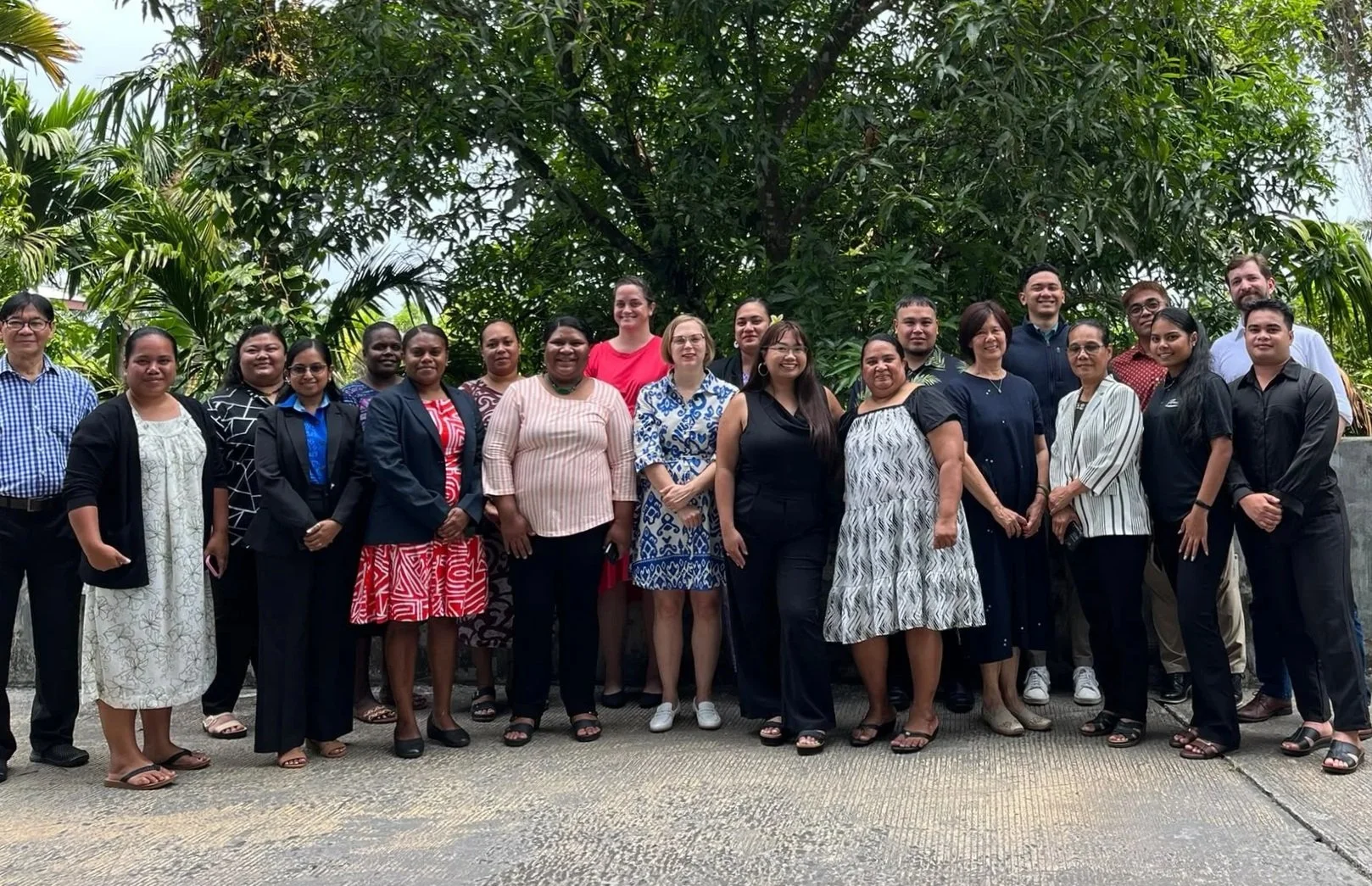
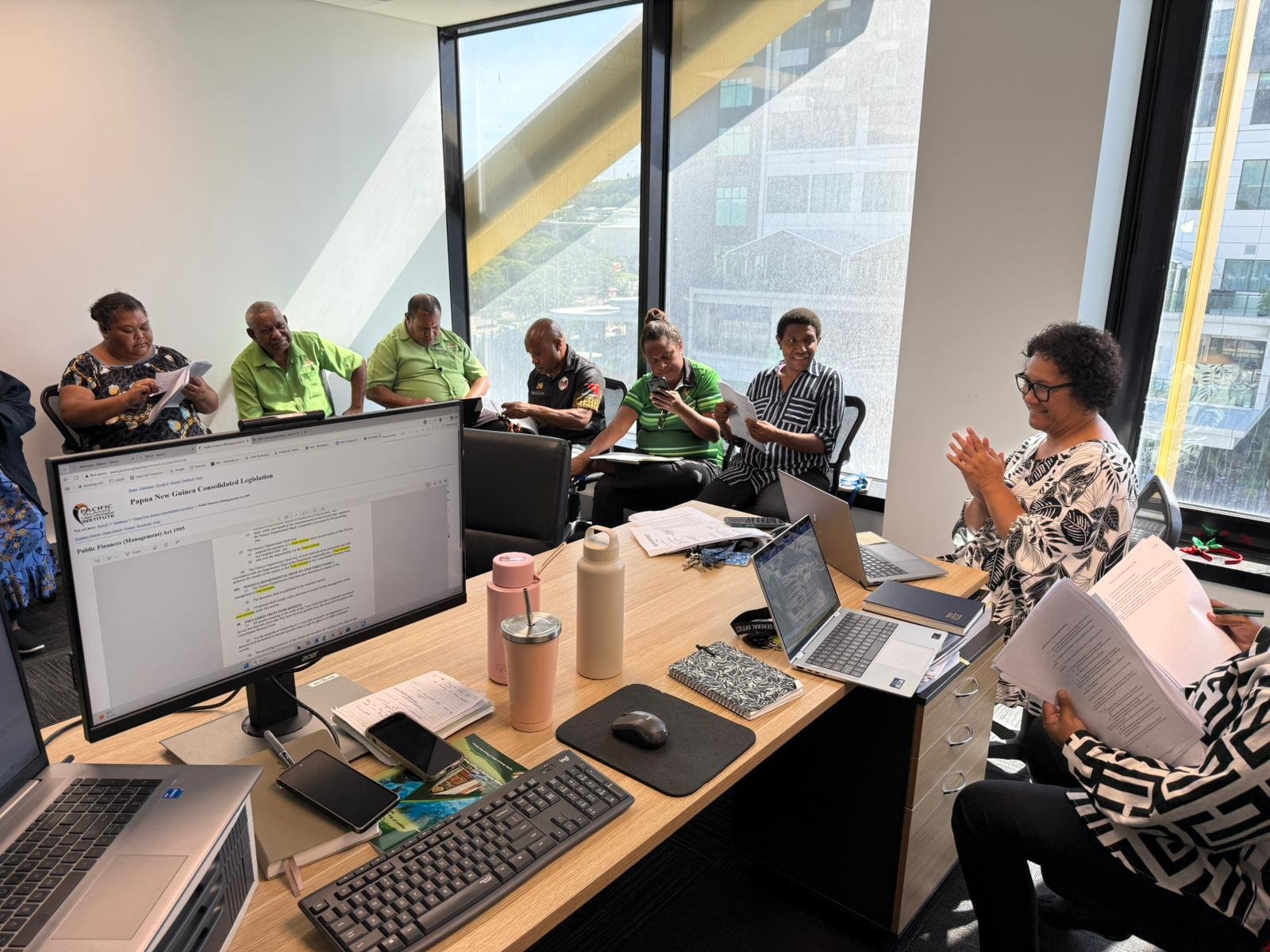
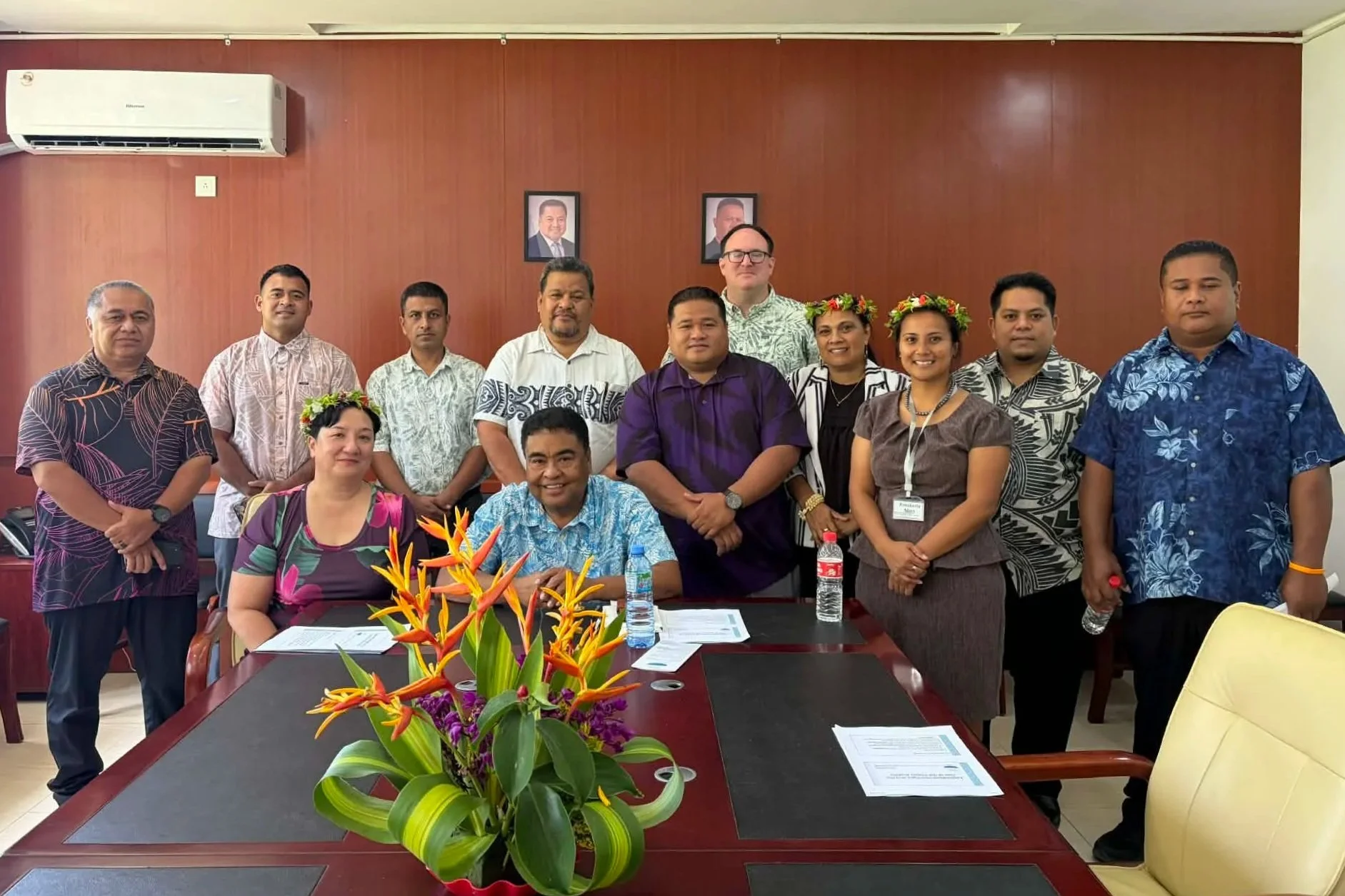
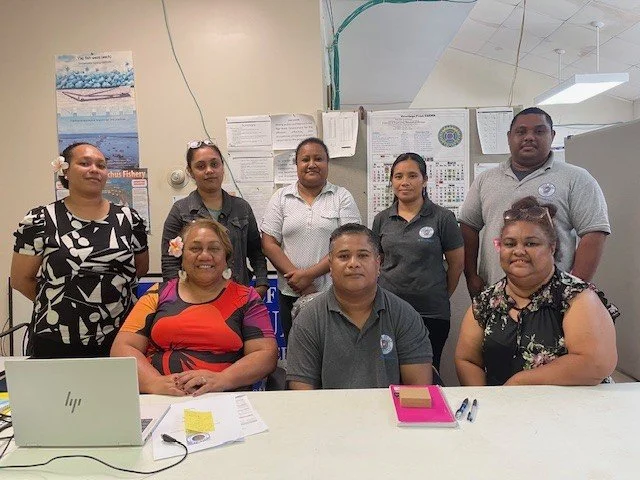
PASAI Program Director, Susana Laulu (right), conducting a brainstorming session with staff from the Auditor-General’s Office

---END----

Contact information:

Susana Laulu, Program Director PASAI
E: susana.laulu@pasai.org P: +64 9 304 1275

PDF version of this media release
Three more Pacific Island audit offices on track to upgrade in-house quality management systems

Auckland, New Zealand: The Pacific Association of Supreme Audit Institutions (PASAI) is continuing to support the staff of 3 Pacific Island government audit offices to set up a formal system of audit quality management (SoAQM) with a second in-person workshop, starting today.

The first workshop in August 2025 covered the main concepts of the processes in the SoAQM such as quality risk management, monitoring quality and remediation of deficiencies, and the evaluation of the system. It also equipped participants to carry out a needs analysis assessment.

Five staff (2 female and 3 male) from the government audit offices of the Federated States of Micronesia (FSM), the FSM State of Kosrae and Tonga gathered in Auckland this week to participate in the 3-day SoAQM workshop.

PASAI, in cooperation with the INTOSAI Development Initiative (IDI) and with the support of senior staff from the Office of the Auditor-General of New Zealand and Audit New Zealand, has already helped 5 other audit offices work towards establishing fit-for-purpose systems of audit quality management over the last 2 years.

Fiji-based Program Director, Meresimani Vosawale-Katuba, is facilitating the training and said, “This second workshop will help the participants to develop a bespoke SoAQM action plan and policy for each audit office.

“All program participants have been involved in documenting their offices’ needs analysis and will be part of the team implementing an SoAQM,” she added.

Manager Methodology from Audit New Zealand, Stuart Cormack, joined a workshop session online to share insights from his experience in implementing a system of audit quality management.

PASAI acknowledges the support of the New Zealand Ministry of Foreign Affairs and Trade (MFAT) and the Australian Department of Foreign Affairs and Trade (DFAT).

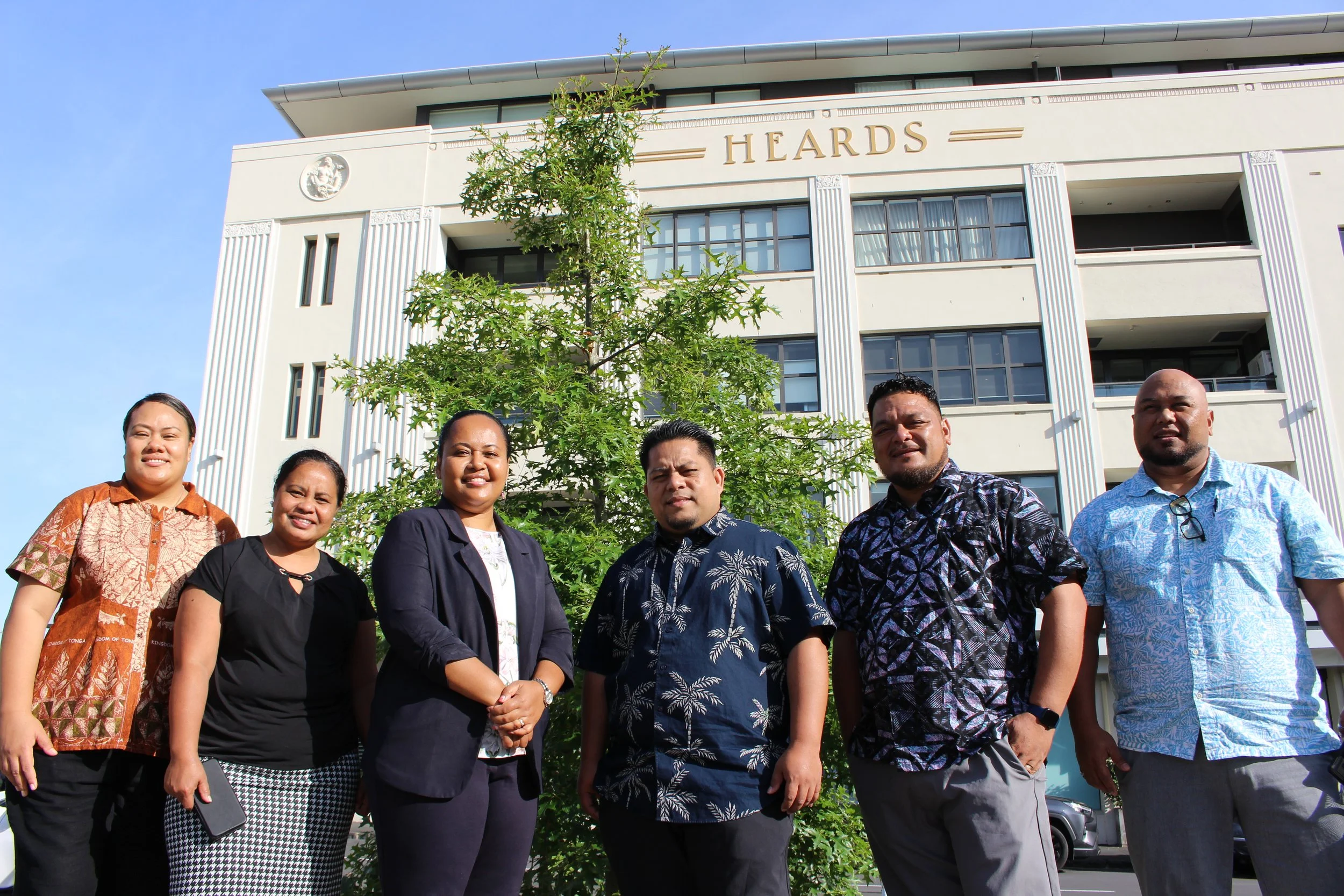
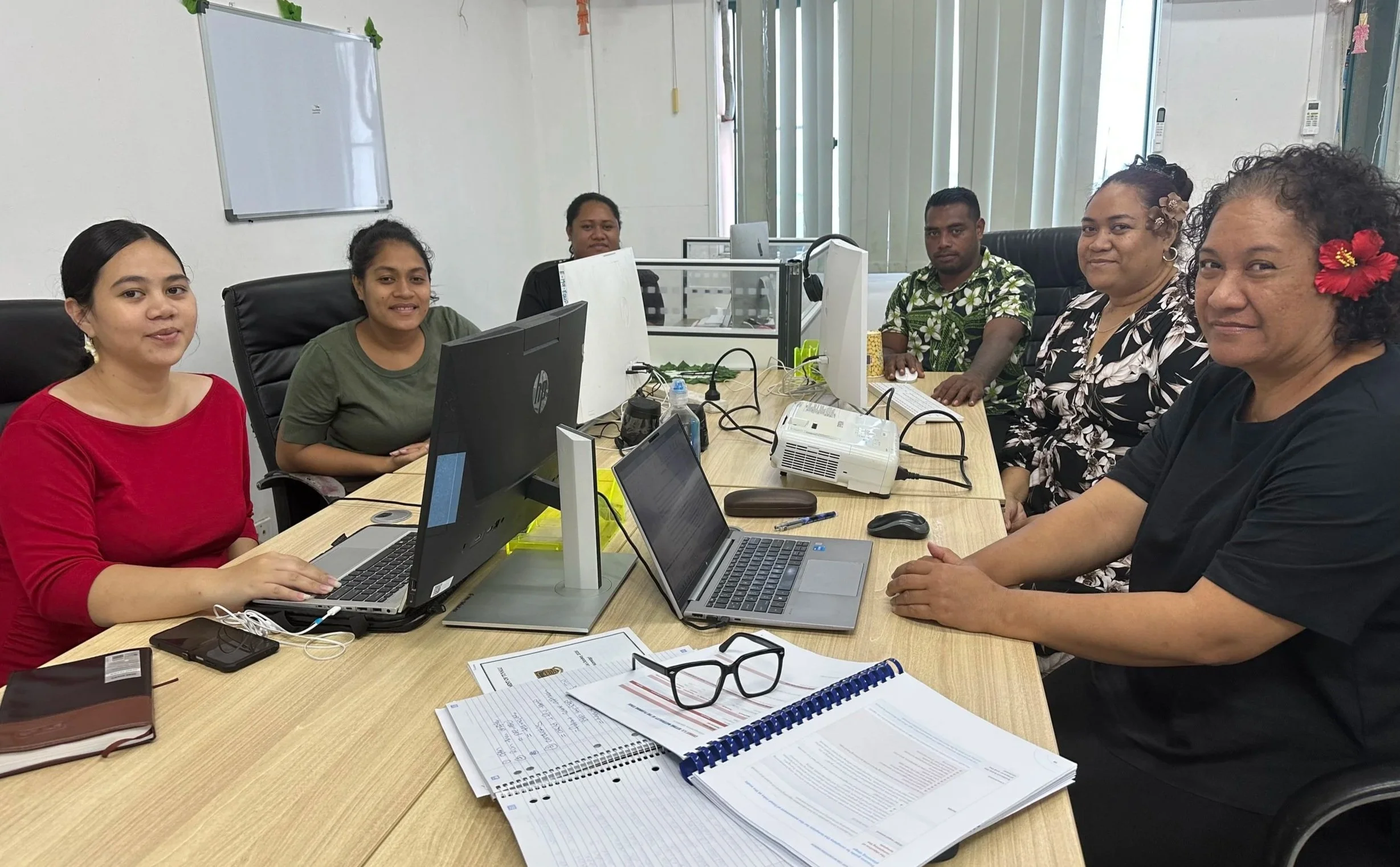
PASAI Program Director, Meresimani Vosawale-Katuba (third from left), with SoAQM workshop participants

----END----

Contact information:

Meresimani Vosawale-Katuba, Program Director PASAI
E: Meresimani.VosawaleKatuba@pasai.org P: +64 9 304 1275

PDF version of this media release
Professional ethics a continued focus for Pacific Island government auditors

Auckland, New Zealand: The Pacific Association of Supreme Audit Institutions (PASAI) is collaborating with Chartered Accountants Australia and New Zealand (CA ANZ) to deliver professional ethics training to government auditors, starting yesterday.

This activity seeks to ensure those responsible for carrying out the mandates of Pacific Island government audit offices receive specialised professional ethics and integrity training.  

Ninety-two staff (61 female, 31 male) from the government audit offices of American Samoa, the Federated States of Micronesia (FSM) National, FSM Chuuk, FSM Kosrae, FSM Pohnpei, FSM Yap, Fiji, Guam, Kiribati, the Marshall Islands, Nauru, the Northern Mariana Islands, Palau, Papua New Guinea, Samoa, Solomon Islands, Tuvalu and Vanuatu registered to participate in the training that covers the fundamental ethical principles governing the work of accountants and auditors working in the public sector.

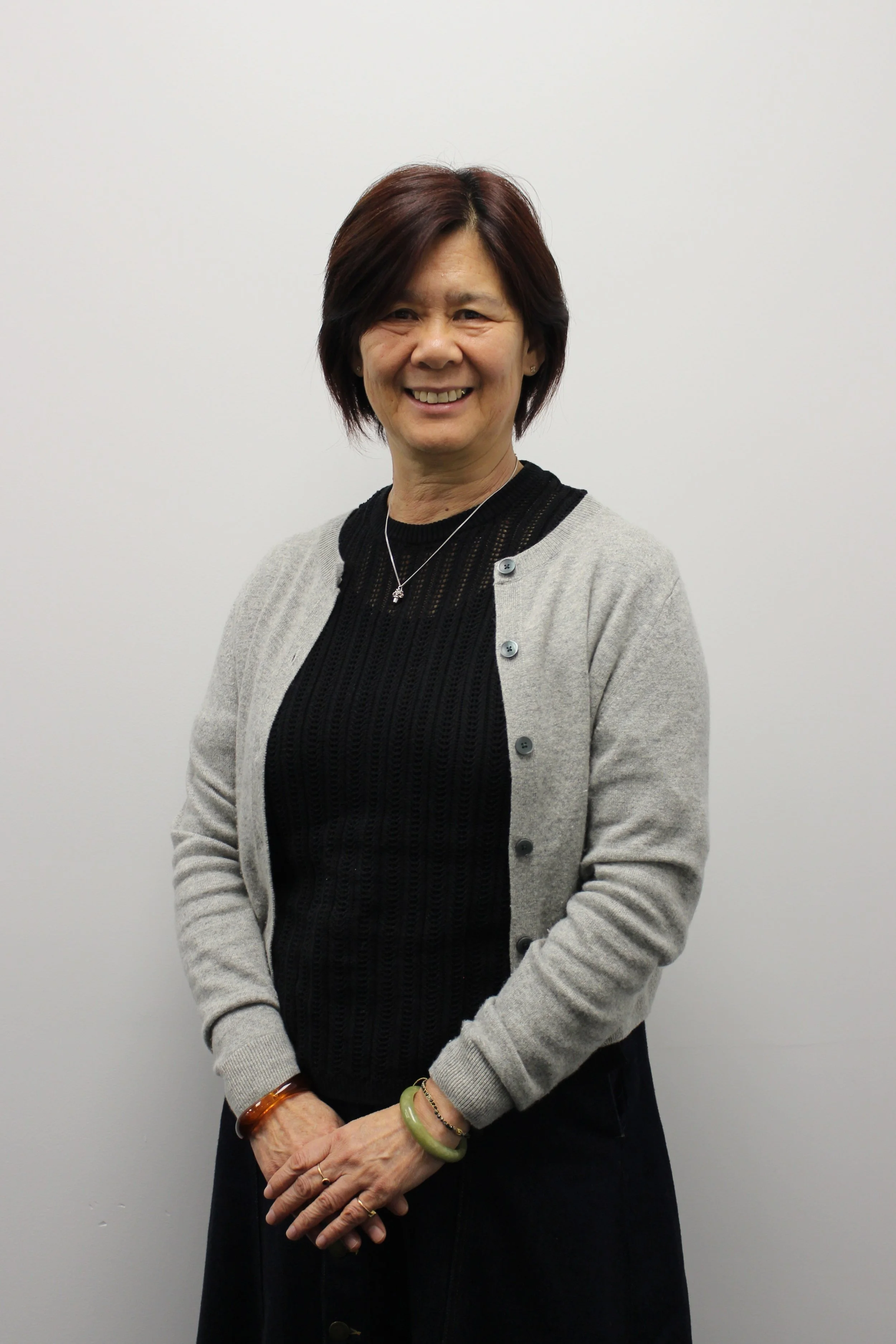
PASAI Program Director and course facilitator, Sinaroseta Palamo-Iosefo, said, “This year’s training builds on the course we ran last year on the ‘Essentials of the Code’.

“It highlights the significance of trust, the expectations of those working in the public sector, the importance of setting the right culture to support ethical behaviour and the need for senior leadership to ensure they have the right systems in place to manage risk effectively.

“It will promote and encourage SAIs to establish processes and practices to ensure government audit staff adhere to ethical obligations and call out breaches to enhance integrity in government systems.”

After yesterday’s introductory workshop, participants will have until 13 February to complete a self-paced micro-course on PASAI’s online Learning Platform.

The micro-course includes videos of the Auditor-General of Australia, Dr Caralee McLiesh, and the former Controller and Auditor-General of New Zealand, John Ryan, sharing insights on the importance of ethics in the public sector.

Small cohort interactive workshops will follow allowing participants to discuss how to apply ethical principles to their working environments, share experiences and learn from expert facilitators and peers.

PASAI acknowledges the support of the New Zealand Ministry of Foreign Affairs and Trade (MFAT) and the Australian Department of Foreign Affairs and Trade (DFAT).

----END----

Contact information:

Sinaroseta Palamo-Iosefo, Program Director PASAI, Auckland, New Zealand
E: sina.iosefo@pasai.org  P: +64 9 304 1275

PDF version of this media release
PASAI Chief Executive in Chuuk State advocating for good governance

Weno, Chuuk State: Chief Executive for the Pacific Association of Supreme Audit Institutions (PASAI), Esther Lameko-Poutoa, visited Chuuk State of the Federated States of Micronesia (FSM) from 29 January to 2 February 2026 to advocate for the Office of the Chuuk State Public Auditor, coinciding with the 2026 FSM Auditors’ Conference.

Public auditors from FSM’s national and 4 state audit offices convene annually for in-person capability development, knowledge sharing and stakeholder meetings.

PASAI Program Director, Sophia H Pretrick, who is based in Pohnpei State, accompanied Ms Lameko-Poutoa on her mission, arriving before the stakeholder meetings with Chuuk State leaders.

“Chuuk State has been without an officially appointed Public Auditor for nearly 2 years, so it was important for me to advocate with the audit offices at their stakeholder meetings,” Ms Lameko-Poutoa explained.

The Governor’s representatives and leaders from Chuuk State’s House of Representatives and House of Senate attended the meetings.

Of the meetings, Ms Lameko-Poutoa said, “The advocacy was mainly to foster mutual respect, enhance partnerships with the Legislature, lift their understanding of the role of public auditors and the importance of audit independence, support oversight functions and ensure the Chuuk State Office of the Public Auditor receives sufficient support.

“The Legislature is one of the most important stakeholders of public audit offices.

“The advocacy with the leaders highlighted the common challenges facing all audit offices in the FSM.”  

National Public Auditor, Haser Hainrick, emphasised the need to enhance partnerships between the audit offices and the legislatures, saying, “They must work together to exercise the oversight function. 

“Success for one audit office is success for all,” he added.

Vice President of the Senate, Wisney Nakayama, explained that he supports the Office of the Chuuk State Public Auditor’s development. 

Recruitment of the Chuuk State Public Auditor is currently in progress.

Ms Lameko-Poutoa explained functional public financial management systems are underpinned by good working relationships between public auditors and the legislative and executive branches of government.

“When audit offices are sufficiently resourced, can operate independently and are given information they need, their audits and investigations have the best chance to result in positive impacts for the people governments serve,” she said.

The targeted support provided to the staff of the Chuuk audit office included guidance on the next steps in the review of its audit legislation following the meetings, continuous engagement with the Legislature, audit follow-up and internal governance matters.

PASAI acknowledges the support of the New Zealand Ministry of Foreign Affairs and Trade (MFAT) and the Australian Department of Foreign Affairs and Trade (DFAT).

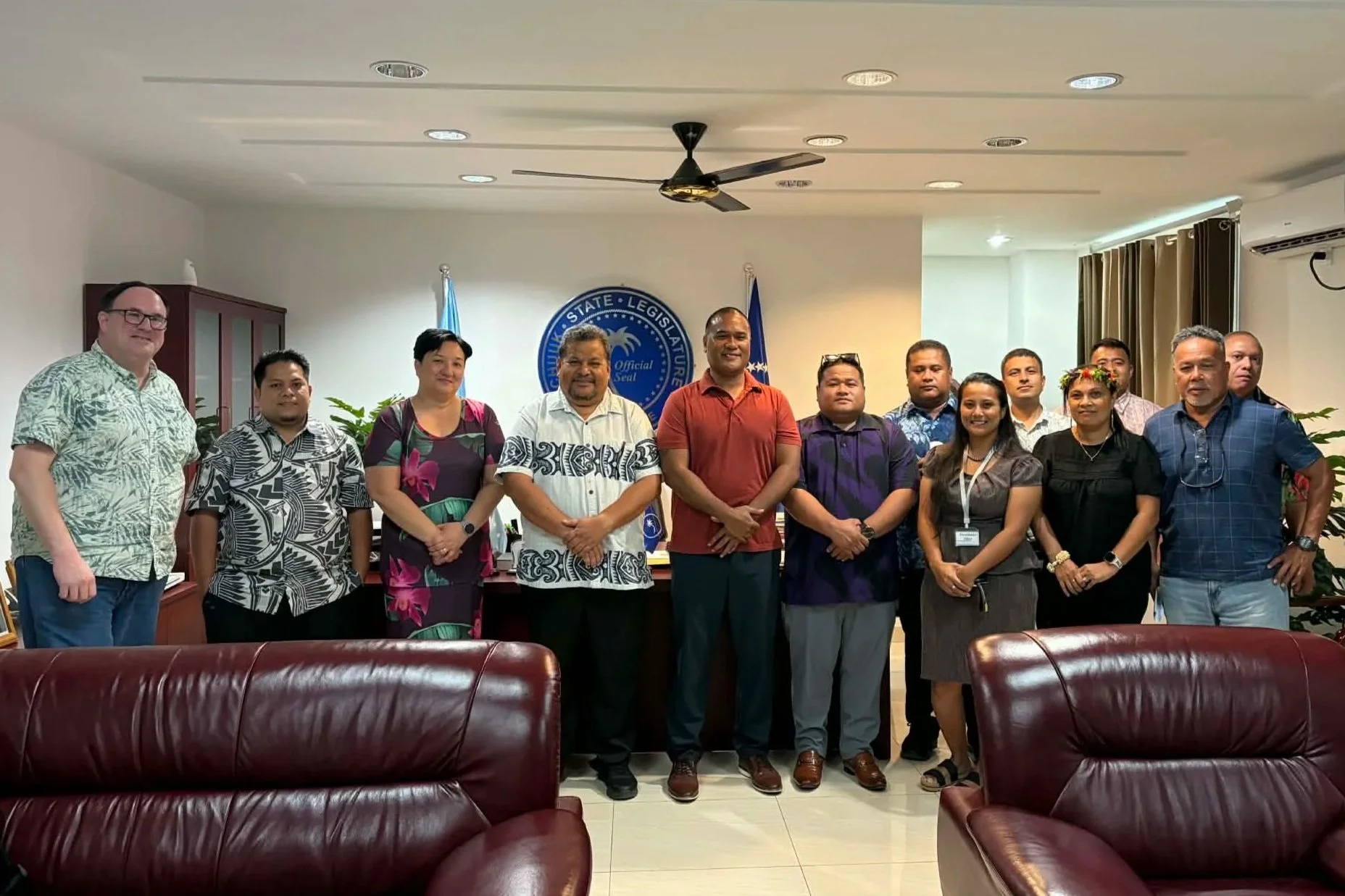
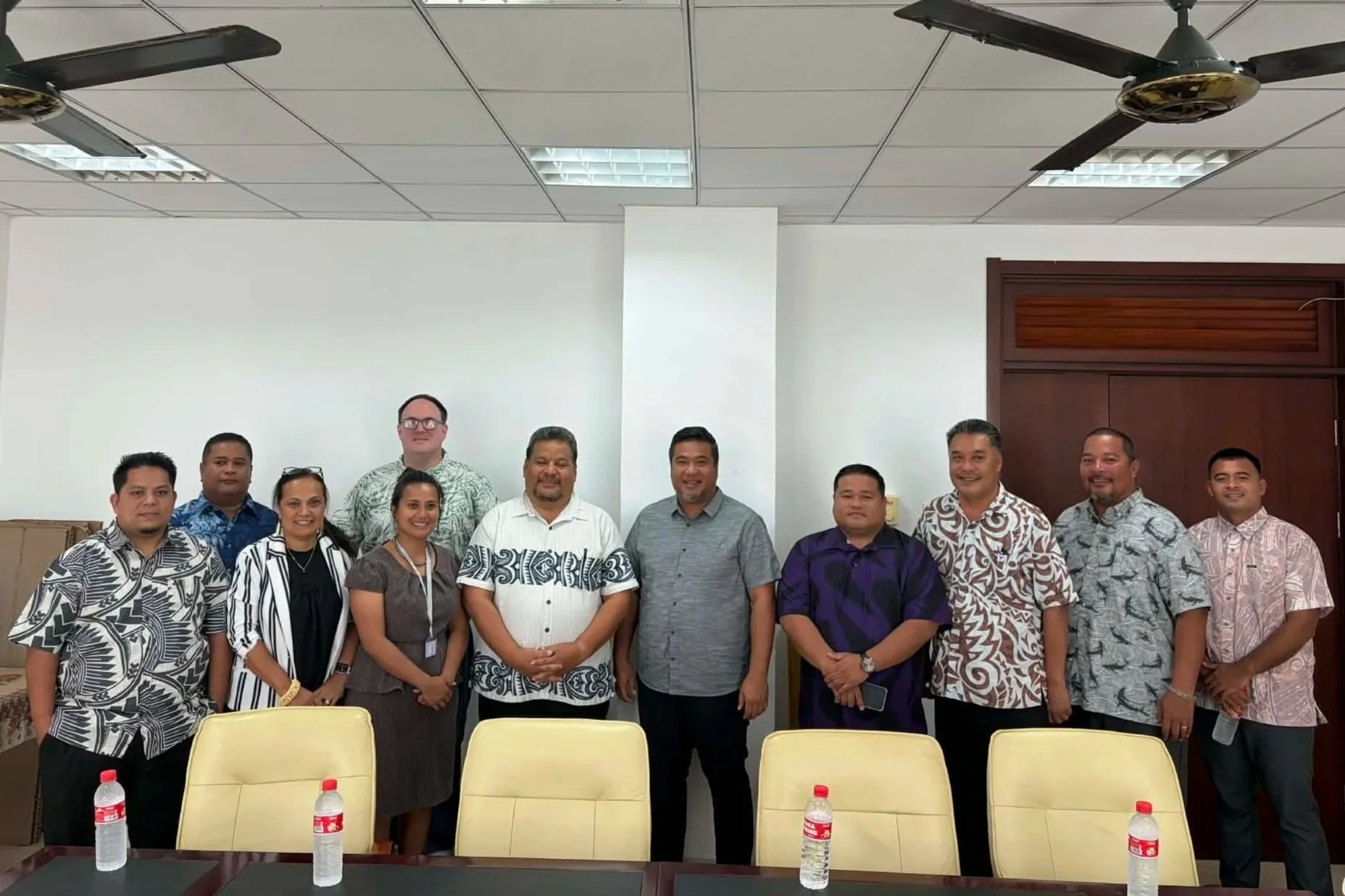
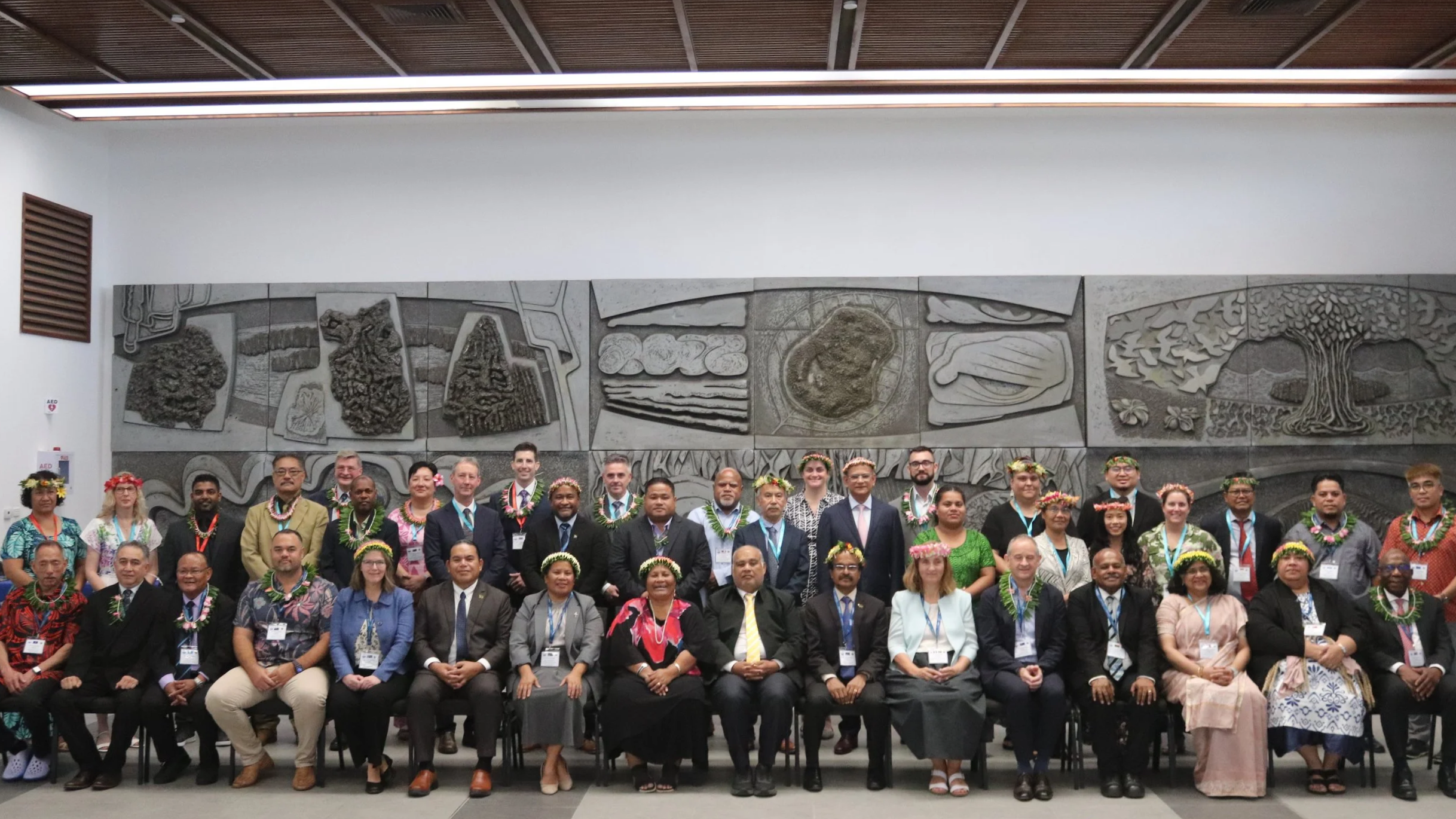
(From L to R) US Graduate School Trainer, Drummond Khan; Kosrae State Public Auditor, Palikkun Kilafasru; PASAI Chief Executive, Esther Lameko-Poutoa; National Public Auditor, Haser H Hainrick; House of Senate Vice President, Hon Wisney Nakayama, Pohnpei State Public Auditor, Erick Paul; Yap State Public Auditor, Bryan Dabugsiy; Acting Chuuk State Public Auditor, Sarah Mori, Pohnpei Office of the Public Auditor, Sanjay KC; PASAI Program Director, Sophia H Pretrick; Audit Manager for the Office of the National Public Auditor, Midson Tom; Chairman of the Judiciary and Governmental Relations Committee (JGRC), Nelson Stephens; and Vice Chairman of the JGRC, Pius Onopey

With House of Representatives Speaker, Hon Lester Danny Mersai (centre), Floor Leader, Hon Wayne Olap (third from right); and Chairman of Ways & Means, Hon Jessy P William (second from right)

With Acting Governor, Dr Bosco Buligy (centre); and Chief of Staff, Arthur II Irons (far left)

----END----

Contact information:

Sophia H Pretrick, Program Director PASAI
E: sophia.pretrick@pasai.org  P: +64 9 304 1275

PDF version of this media release
Yap State audit office benefits from PASAI’s organisational and HR support

Colonia, Yap: Program Director for the Pacific Association of Supreme Audit Institutions (PASAI), Sinaroseta Palamo-Iosefo, spent this week providing in-person technical support to the staff at the Office of the Yap State Public Auditor in the Federated States of Micronesia.

Early in the week Ms Palamo-Iosefo reviewed the office’s strategic management systems and supported staff to establish processes to monitor and report on the office’s performance against its strategic plan.

Her organisational support included reviewing the office’s overall audit plan for the fiscal year ending 30 September 2026 and working with the Audit Manager, Makereta Dyer, and Chief Investigator, Marie Lamaar, to establish processes to develop an overall audit plan.

Ms Palamo-Iosefo explained, “The established processes now ensure guidance is available and the audit office’s organisational planning practices are sustained.

“One of my objectives was to train staff on the importance of strategic audit planning so the audit office can focus on key government priorities and matters of public interest, maximise its audit coverage, submit reports in a timely manner and conduct quality and impactful audits and investigations,” she said.

As well as technical support, Ms Palamo-Iosefo worked with Ms Dyer and the Administrative Assistance, Maxine Finnginam, to review the office’s human resource (HR) management practices.

To implement the office’s existing HR strategy, Ms Palamo-Iosefo also supported staff to identify competencies needed for individuals and create a learning and professional development (LPD) plan.

“Audit offices can support staff competency development by refining job profiles, creating LPD plans and maintaining databases of staff progress towards professional certification,” Ms Palamo-Iosefo said.

Yap State Public Auditor, Bryan Dabugsiy, said, “We deeply appreciate the unwavering support of PASAI, whose guidance continues to strengthen our organisational operations, from human resource development and strategic planning, to clarifying the vital roles each team member plays in fulfilling our mandate.

“PASAI’s consistent partnership empowers us to advance our mission with greater impact, capacity and purpose,” he said.

PASAI acknowledges the support of the New Zealand Ministry of Foreign Affairs and Trade (MFAT) and the Australian Department of Foreign Affairs and Trade (DFAT).

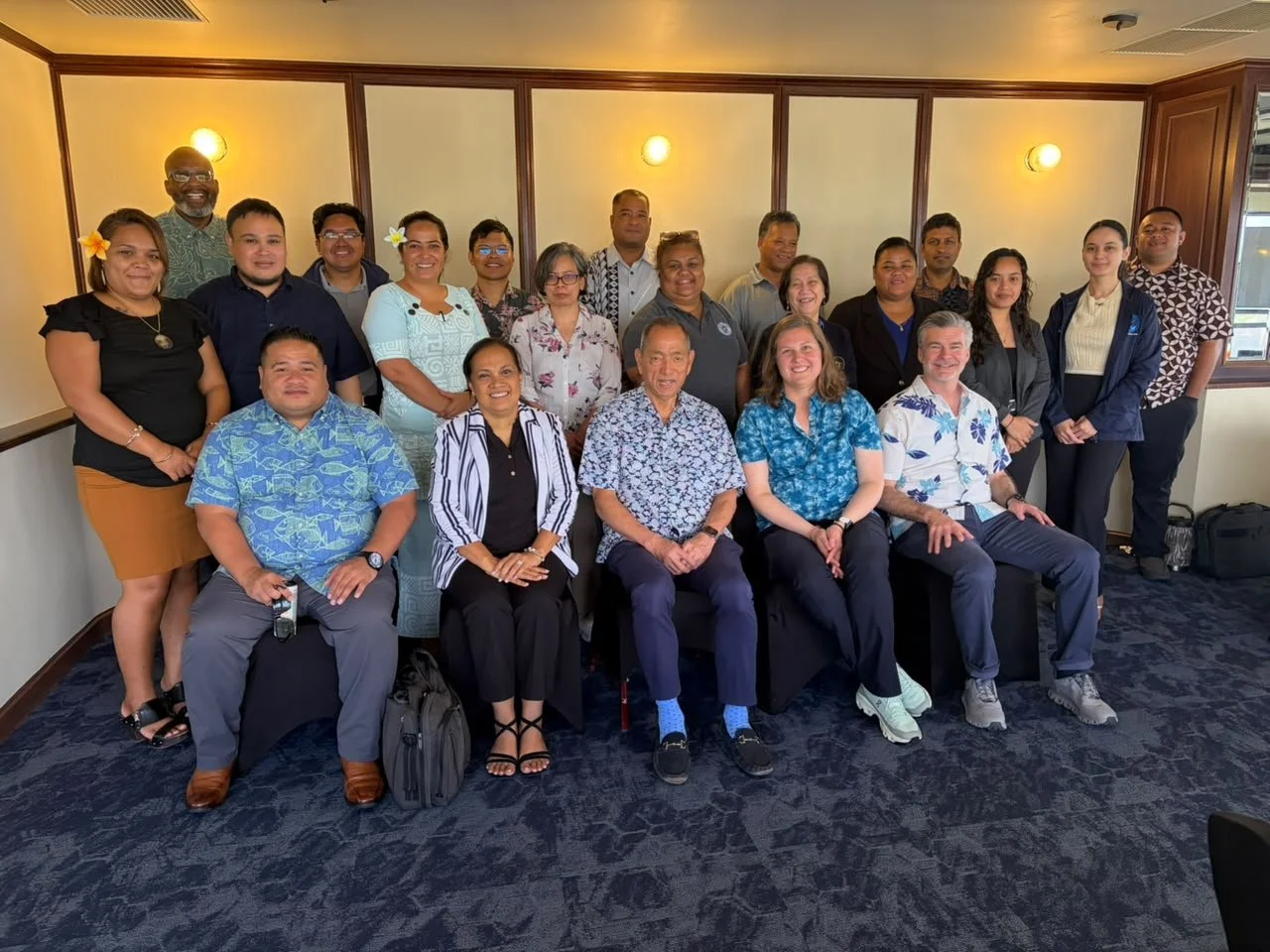
PASAI Program Director, Sinaroseta Palamo-Iosefo (front row, left) and Yap State Public Auditor, Bryan Dabugsiy (front row, centre), with staff from the Office of the Yap State Public Auditor

----END----

Contact information:

Sinaroseta Palamo-Iosefo, Program Director PASAI
E: sina.iosefo@pasai.org  P: +64 9 304 1275

PDF version of this media release
PASAI’s 44th Governing Board meeting

Auckland, New Zealand: The Pacific Association of Supreme Audit Institutions (PASAI) held its 44th Governing Board meeting on 13 and 14 November 2025, chaired by Florence Bonnafoux, President of the Territorial Chamber of Accounts of New Caledonia. 

PASAI’s Secretary-General and Controller and Auditor-General of New Zealand, Grant Taylor, attended along with other Pacific Island-based board members, PASAI Secretariat staff and Office of the Secretary-General staff, and were joined online with representatives from the New Zealand Ministry of Foreign Affairs and Trade (MFAT) and the Australian Department of Foreign Affairs and Trade (DFAT).

PASAI Chief Executive, Esther Lameko-Poutoa, and the Secretariat’s program directors reported on progress implementing PASAI’s operational plan during the first quarter of the 2025–26 financial year.

The Governing Board noted the work of a charter review subgroup who have been consulting with members on desired changes while preparing PASAI to comply with revisions to the legislation under which it is incorporated as an entity.

Board members considered various reports and received updates on upcoming cooperative audit opportunities for PASAI’s member government audit offices.

The Governing Board considered work completed on the project to rollout ‘A-SEAT’ in the region as PASAI's recommended and supported online audit management platform, since it last met in late August. It agreed the critical next steps are to establish which member offices want to become users of the tool and to get details about their IT infrastructure to inform the support needs for the rollout.

Board members and staff also had a fruitful governance and performance reporting training session with the Chair of the Fred Hollows Foundation NZ, Craig Fisher.

The Secretariat expresses its gratitude to the Governing Board members for their ongoing assistance and acknowledges the support of its development partners, MFAT and DFAT.

Attendees of PASAI’s 44th Governing Board meeting

----END----

Contact information:

Esther Lameko-Poutoa, Chief Executive PASAI, Auckland, New Zealand
E: secretariat@pasai.org P: +64 9 304 1275

PDF version of this media release
Audit staff gather in Guam to hone their stakeholder engagement skills

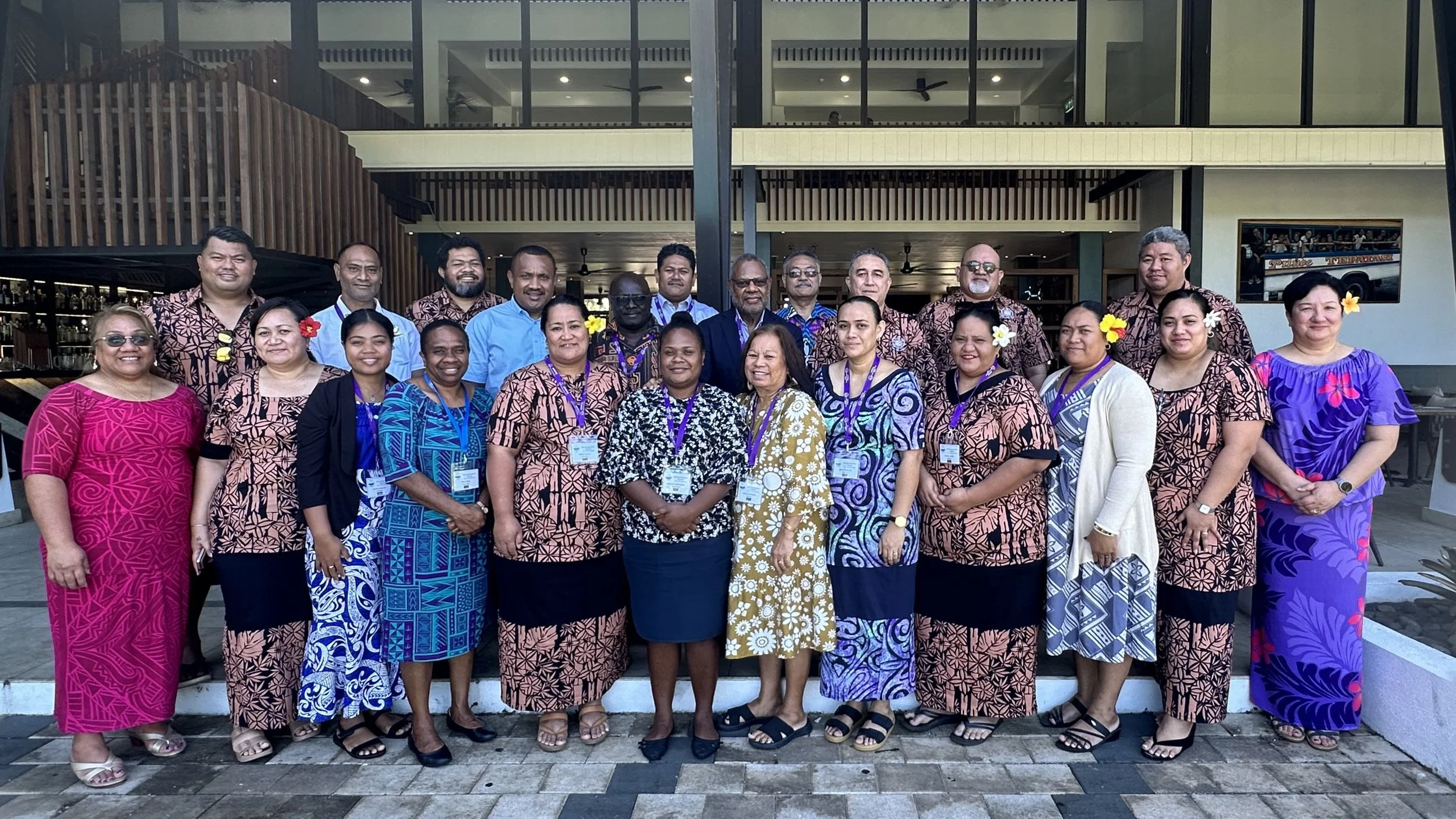
Hagåtña, Guam: The Pacific Association of Supreme Audit Institutions (PASAI) delivered stakeholder engagement training to 16 staff (8 female, 8 male) from 9 public audit offices from 17 to 20 November 2025.

The staff were from the audit offices of the Federated States of Micronesia (FSM), the FSM states of Chuuk, Kosrae, Pohnpei and Yap, Guam, the Marshall Islands, the Northern Mariana Islands and Palau.

During the 4-day in-person workshop, participants learned practical steps to maximise their engagement with stakeholders such as the legislature, audited entities, the media and the public.

Program Director, Mike Scott, leads PASAI’s stakeholder management program and explained, “We aim to improve our members’ ability to effectively communicate audit findings, increase the impact of their work and demonstrate their value to the lives of citizens in the Pacific."

PASAI Chief Executive, Esther Lameko-Poutoa; and Communications Advisor, Luke Eaton; co-facilitated the workshop at a training venue provided by the Guam Office of Public Accountability.

Workshop facilitators guided participants on communications principles, crafting actionable recommendations, drafting media releases, maximising their impact with social media content, and incorporating multimedia into audit reports and related communications material. The workshop built on previous PASAI training that includes developing and implementing a stakeholder engagement strategy, report writing, interpersonal communications and media interview preparation.

Mr Scott played a video that senior staff at the Office of the Auditor General of the Republic of Fiji had pre-recorded for their North Pacific counterparts explaining their engagement with members of the Fijian Parliament in reviewing the Audit Act. Beneficial reforms were later passed into law in the Fiji Audit Act 2025.

“The knowledge-sharing of the Fijian auditors sparked discussion among workshop participants on how they may be able to improve engagement with their legislatures to strengthen their offices’ independence,” he said.

Mr Scott also played a video made by the Executive Director of the Jamaica Accountability Meter Portal, Jeanette Calder, on the role civil society organisations can play in the accountability system, and one by senior staff at the New Zealand Office of the Auditor-General, Mark Evans (Director) and Giovanni Fesuiai (Sector Manager), on engagement with the Legislature to promote scrutiny, accountability and impact.

Strategic communications partners from the New Zealand audit office, Richard Scott and Cameron Webb, prepared some media- and social media-related workshop content for the participants to view and joined remotely to respond to questions.

All participants presented short- and long-term plans for how they can implement lessons from the workshop customised to the realities they face with their various stakeholders.

Mr Scott expressed satisfaction with the level of improvement demonstrated by participants, saying, “Attendees interacted enthusiastically with workshop content and invested serious energy into creating strategies that I’m confident will translate into tangible actions.”

PASAI acknowledges the support of the New Zealand Ministry of Foreign Affairs and Trade (MFAT) and the Australian Department of Foreign Affairs and Trade (DFAT).

Stakeholder engagement workshop participants

----END----

Contact information:

Mike Scott, Program Director PASAI
E: mike.scott@pasai.org P: +64 9 304 1275

PDF version of this media release
CNMI public audit office gets week of organisational assistance from PASAI

Saipan, Northern Mariana Islands: Program Director for the Pacific Association of Supreme Audit Institutions (PASAI), Sinaroseta Palamo-Iosefo, is spending a week in the Northern Mariana Islands providing in-person technical support to the staff at the territory’s public audit office.

Ms Palamo-Iosefo started work at the Capitol Hill-based office on 20 October, supporting it to develop strategic management systems and an overall audit plan for the fiscal year that started this month.

On the importance of overall audit planning, Ms Palamo-Iosefo said, “It enables audit offices to focus on key government priorities and matters of public interest, maximise their audit coverage, submit reports in a timely manner and conduct quality and impactful audits and investigations.”

A draft process for developing the office’s overall audit plan was prepared for it to finalise and adopt.

Ms Palamo-Iosefo is working with the Temporary Public Auditor, Dora I Deleon Guerrero, and her staff, to identify competency gaps to address with individual learning and professional development plans.

She has also reviewed the office’s human resources strategy and helped staff plan the implementation of related policies and practices.

“All the activities performed this week are part of our work to strengthen internal governance and build the capability of our member audit offices,” Ms Palamo-Iosefo said.

PASAI acknowledges the support of the New Zealand Ministry of Foreign Affairs and Trade (MFAT) and the Australian Department of Foreign Affairs and Trade (DFAT).

PASAI Program Director, Sinaroseta Palamo-Iosefo (far right), Temporary Public Auditor, Dora I Deleon Guerrero (second from left) and some of her staff from the Office of the Public Auditor for the Commonwealth of the Northern Mariana Islands

----END----

Contact information:

Sinaroseta Palamo-Iosefo, Program Director PASAI
E: sina.iosefo@pasai.org  P: +64 9 304 1275

PDF version of this media release
Clear calls to action in 9 Pacific Island audits on climate change adaptation actions

Auckland, New Zealand: The Pacific Association of Supreme Audit Institutions (PASAI) has published a regional report on the audits of responses to climate-related matters by government agencies in 9 Pacific Island states.

Auditors from the government audit offices of the Federated States of Micronesia, Fiji, the Marshall Islands, New Caledonia, Samoa, Solomon Islands, Tonga, Tuvalu and Vanuatu participated in the global cooperative audit initiative.

Each participating audit office in the Pacific region selected one of 3 audit topics; examining how well their governments are managing water resources, implementing climate change adaptation plans or actions, or taking action to adapt to the impact of sea level rise and coastal erosion.

Having provided guidance to the 9 Pacific Island audit teams since the audits started in 2024, PASAI Program Director and co-author of the report, Mike Scott, knows how personal this work is to the contributing auditors, saying, “The effects of climate change are real and literally at their doorsteps. 

“They are experiencing more intense and frequent cyclones, droughts and flooding, erosion and saline intrusion, causing loss of ancestral homes, displacement of people, and health risks, threatening food and water security, and endangering children’s futures.”

The Pacific regional report on climate change adaptation actions identified that governments need to act now to:

  • secure available financing and expertise

  • better plan and target measures where they are needed

  • more effectively implement measures through more coordinated and inclusive action

  • ensure accountability through monitoring and reporting of intended outcomes.

Staff from PASAI, the Office of the Auditor-General New Zealand and government audit offices in Australia (the Audit Office of New South Wales, the Audit Office of South Australia and the Queenland Audit Offfice) mentored the Pacific Island auditors to plan, conduct, publish and promote their own audit work that contributed to the regional report.

PASAI Secretary-General and Auditor-General of New Zealand, Grant Taylor, launched the regional report today and stated, “This report shows the important roles audit offices can have as the voice of communities.

“The small teams involved in this audit initiative overcame significant obstacles to engage with communities so they could properly understand the real effects of climate change and adaptation actions on them and their livelihoods.”

Deputy Director General at the International Organization of Supreme Audit Institutions (INTOSAI) Development Initiative, Archana Shirsat, said, “Pacific Island audit offices have, once again, contributed positively to climate adaptation, this time as a part of a global cooperative audit.

“We fully support the calls for action based on the audits and urge governments and key stakeholders to work together for the benefit of people in the Pacific,” she said.

Secretary General of the INTOSAI Working Group on Environmental Audit (WGEA), Dr Vivi Niemenmaa, said she was encouraged to see so many Pacific Island audit offices join this cooperative audit.

”Pacific Island nations are on the frontline of climate change impacts and their voices are essential in shaping global responses. The urgency for greater action extends to small island developing states across the world,” she said.

The INTOSAI Development Initiative and WGEA were both involved in providing training and audit support to the Pacific Island audit offices. As part of this audit support, an experienced member of the Auditor General’s Office of the Maldives, a fellow small island developing state audit office, also provided valuable advice.

The regional report, links to individual audit reports and videos from contributing auditors are at pasai.org/regional-reports.

A global report which includes findings from the Pacific region will be presented at this year’s United Nations Climate Change Conference (COP30) in November 2025.

PASAI acknowledges the support of the New Zealand Ministry of Foreign Affairs and Trade (MFAT) and the Australian Department of Foreign Affairs and Trade (DFAT).

----END----

Contact information:

Mike Scott, Program Director PASAI
E: mike.scott@pasai.org P: +64 9 304 1275

PDF version of this media release
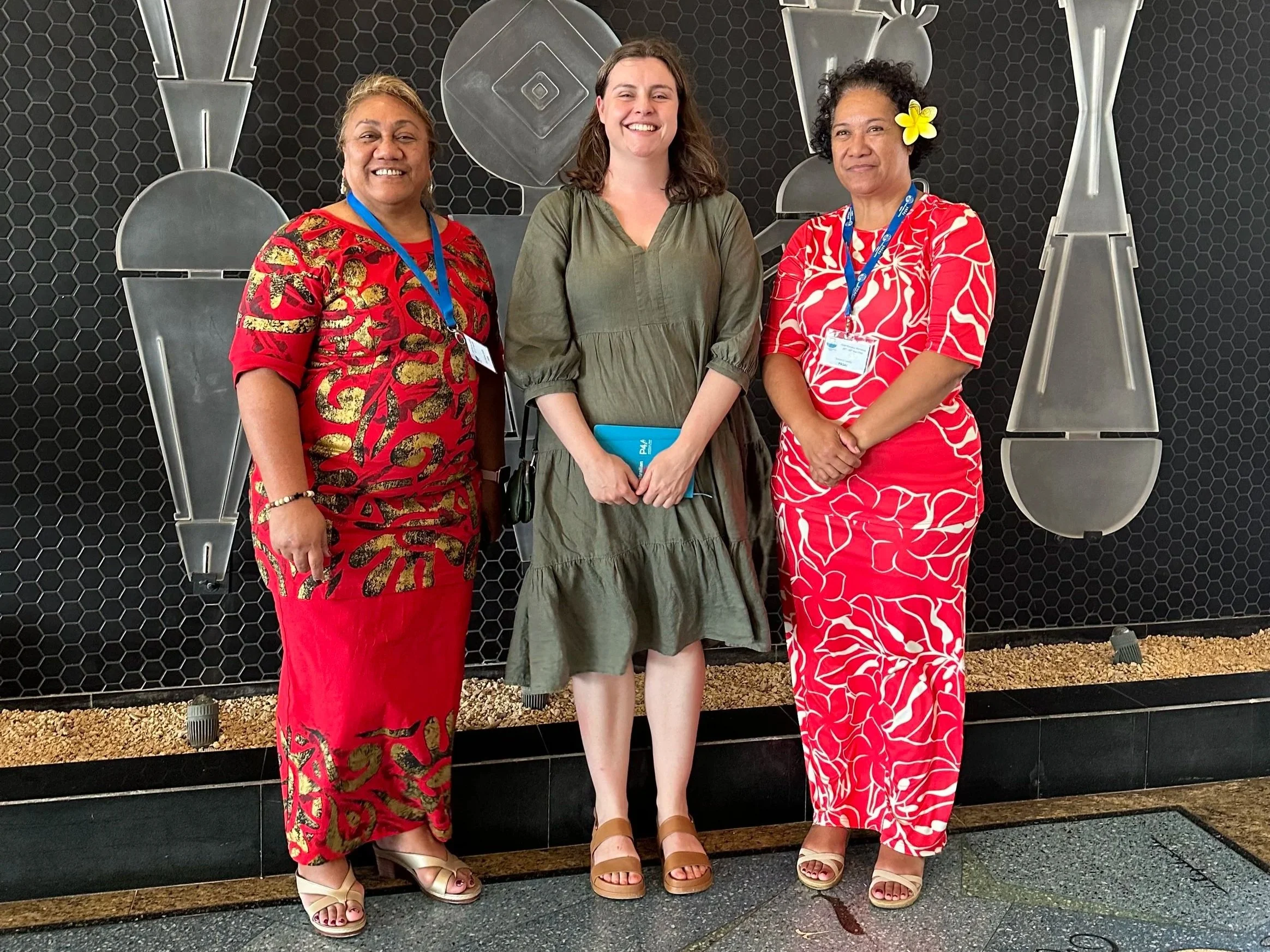
PASAI helping Tonga Office of the Auditor General to prepare for important performance audits

Nuku’alofa, Tonga: The Pacific Association of Supreme Audit Institutions (PASAI) is helping the Tonga Office of the Auditor General to prepare for upcoming performance audits by running a workshop for 22 of its staff this week.

PASAI Program Director, Mike Scott, is co-facilitating the 5-day workshop covering the fundamentals of undertaking impactful performance audits with independent contractor, Craig Neil.

Australia’s Acting Deputy High Commissioner in Tonga, Alison Gow, opened the workshop on Monday 22 September.

PASAI is working in partnership for the first time with the Tonga Australia Support Platform (TASP), which is supported by the Australian Government and implemented by DT Global.

Mr Scott explained, “The workshop is very practical and covers how to undertake a performance audit from planning to reporting, with opportunities for participants to apply what they are learning throughout.

“The Tonga Office of the Auditor General has important performance audits on its audit program including the effectiveness of management of waste in the outer islands and the effectiveness of the Tonga’s disaster recovery system.

“It is a privilege to be here to support this highly valuable work and a pleasure to work with the highly committed team at the Tonga Office of the Audit General.”

Acting Auditor-General, Cathreen Mafi, welcomed the practical skills that the staff at the Tonga Office of the Auditor General are gaining form the workshop, saying, “My staff and I are picking up many things that we can apply in our work from the valuable guidance and advice that Mr Scott and Mr Neil have shared with us from their extensive experience as performance audit practitioners.

“We are looking forward to the last day of the workshop when we will apply this training by starting to plan 2 of our upcoming performance audits”.

Lotomo’ua Tu’ungafasi will become Tonga’s new Auditor General from 20 October 2025 for a 5-year term. PASAI congratulates Ms Tu’ungafasi on her appointment.

PASAI acknowledges the support of the New Zealand Ministry of Foreign Affairs and Trade (MFAT) and the Australian Department of Foreign Affairs and Trade (DFAT).

Tonga Office of the Auditor General staff with (front row, left to right) the Acting Auditor-General, Cathreen Mafi; workshop co-facilitator, Craig Neil; Australia’s Acting Deputy High Commissioner in Tonga, Alison Gow; and PASAI Program Director, Mike Scott

----END----

Contact information:
Mike Scott, Program Director PASAI
E: mike.scott@pasai.org P: +64 9 304 1275

PDF version of this media release
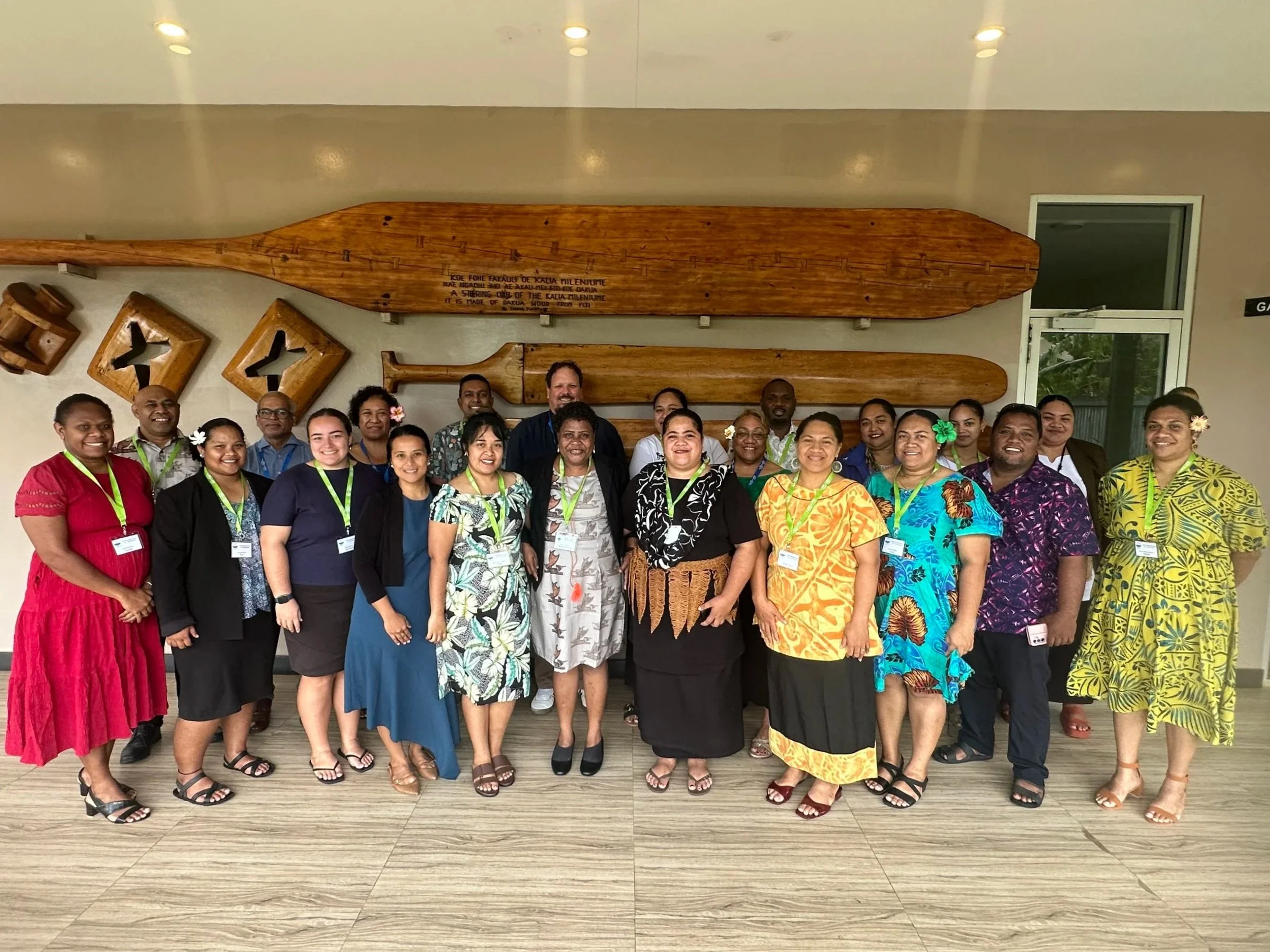
Heads of the Pacific’s government audit offices gather in New Caledonia for PASAI’s 26th Congress

Nouméa, New Caledonia: More than 60 people from countries across the Pacific and as far afield as Austria, Norway South Africa and the United States of America attended the 26th Congress of the Pacific Association of Supreme Audit Institutions (PASAI), attracting the presence of the President of New Caledonia, Alcide Ponga, and the French Ambassador to the Pacific, Véronique Roger-Lacan.

Representatives of 24 PASAI member offices attended the 4-day meeting hosted by the Territorial Chamber of Accounts from 26 to 29 August 2025 in Nouméa, New Caledonia.

The theme of the Congress was, “Audit impact for improved accountability and transparency.” 

In his opening address, President Ponga expressed his view that in carrying out the fundamental tasks of transparency, responsibility and independent control, government audit offices drive the improvement of public services and are essential for functional political systems.

Ambassador Roger-Lacan spoke of the maturation of good governance models and that citizens have increasingly higher expectations of public accountability and transparency.

In a keynote address by the Deputy Director-General of the Pacific Community (SPC), Maria Fuata said that sustainable development is not possible without accountability and that in the Pacific, we must pursue the best value for every public program, initiative and service.

With an appointment that began on 3 July 2025, the Controller and Auditor-General of New Zealand, Grant Taylor, in his capacity as the Secretary-General of PASAI, spoke of gaining a strong sense of collaboration and unified commitment to audit quality among members at the Congress event.

“We all work to create a tension that influences legislatures to direct public expenditure to where it is needed most,” Mr Taylor said.

Auditors general, public auditors and others in similar roles from Australia, New Zealand and the Pacific Island sub-regions of Melanesia, Micronesia and Polynesia, as well as PASAI Secretariat staff and other stakeholders with an interest in national integrity and public financial management systems discussed a range of issues during the gathering.

Through a series of panel discussions, Congress attendees reflected on matters related to adhering to international auditing standards in small island developing states, enhancing audit quality through regional collaboration and strengthening collaborative work with legislatures.

Preceding Congress on 25 August 2025, PASAI’s Governing Board held its 43rd meeting and agreed on recommendations for the approval of Congress.

PASAI released a detailed communiqué following the event and looks forward to the next Congress to be hosted by the Nauru Department of Audit.

PASAI acknowledges the support of the New Zealand Ministry of Foreign Affairs and Trade (MFAT) and the Australian Department of Foreign Affairs and Trade (DFAT).

Attribution for the images below goes to Jessica Du, Vice President and Editor of the International Journal of Government Auditing:

Attendees of the 26th PASAI Congress

Cook Islands Director of Audit, Desmond Wildin (right), passing a ceremonial gavel to the President of the Chamber of Accounts of New Caledonia, Florence Bonnafoux (left), at the Governing Board Chairperson handover

President of New Caledonia, Alcide Ponga

Controller and Auditor-General of New Zealand and Secretary-General of PASAI, Grant Taylor

-----END----

Contact information:

Esther Lameko-Poutoa, Chief Executive PASAI, Auckland, New Zealand
E: secretariat@pasai.org P: +64 9 304 1275

PDF version of this media release
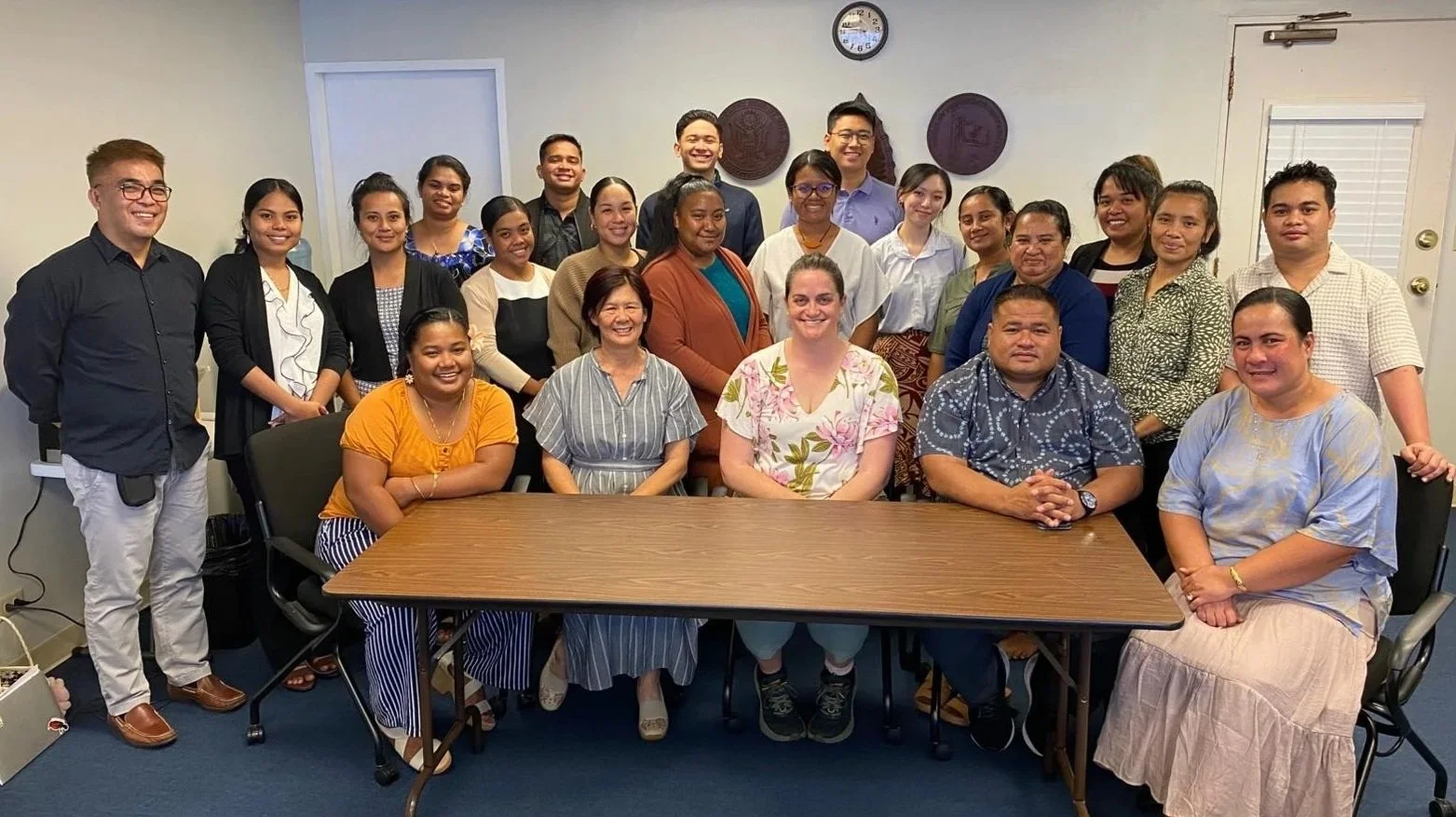
Pacific Island audit office staff to focus on investigations in new webinar series

Auckland, New Zealand: The Pacific Association of Supreme Audit Institutions (PASAI) is delivering a series of webinars to strengthen the capacity of its members to conduct investigations.

Seventy-seven staff (43 female and 34 male) from the government audit offices of American Samoa, the Cook Islands, the Federated States of Micronesia (FSM) National, Fiji, FSM Kosrae, FSM Pohnpei, Guam, the Marshall Islands, Papua New Guinea, Samoa and Tonga have registered for the remotely accessible capacity building training, which started yesterday.

Led by PASAI Program Director and Certified Fraud Examiner, Sophia H Pretrick, the first webinar in the series provided an overview of fraud and covered what constitutes fraud, fraud detection, red flags and warning signs, common types of fraud and fraud prevention measures.

“This webinar will also help our many member offices who conduct fraud awareness outreach briefings to colleagues in the public sector and to other stakeholders,” Ms Pretrick said.

PASAI has developed this training to support SAIs in their objective to promote good governance, integrity and ethical conduct in the public sector.

The training provides tools for Pacific Island audit offices to be more proactive in recognising fraudulent activities.

Participants will be able to recommend mechanisms that will help prevent fraud and maintain accountability in the public sector.

PASAI acknowledges the support of the New Zealand Ministry of Foreign Affairs and Trade (MFAT) and the Australian Department of Foreign Affairs and Trade (DFAT).

----END----

Contact information:

Sophia H Pretrick, Program Director PASAI
E: sophia.pretrick@pasai.org  P: +64 9 304 1275

PDF version of this media release
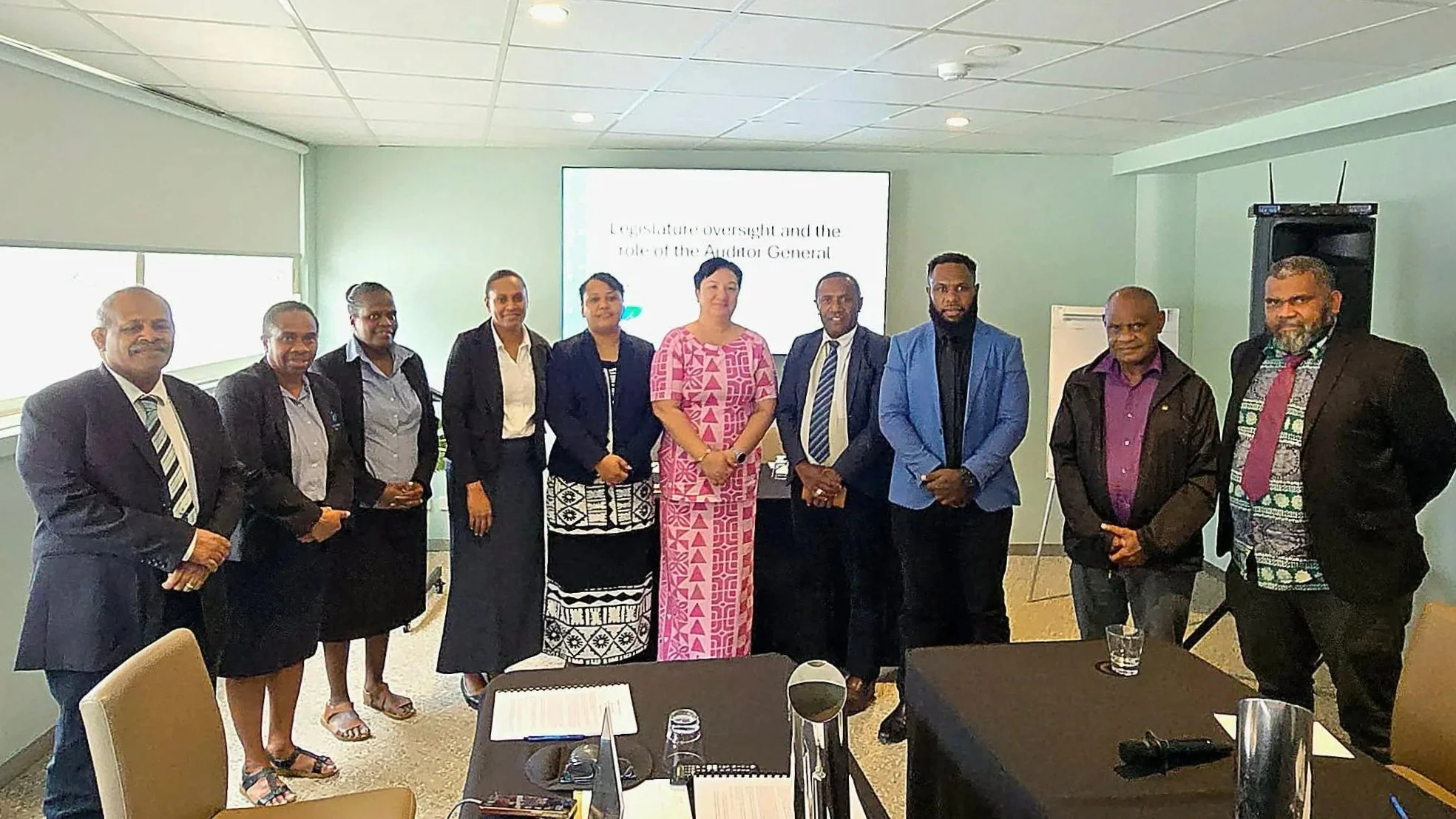
More Pacific Island government audit offices to upgrade in-house quality management systems

Auckland, New Zealand: The Pacific Association of Supreme Audit Institutions (PASAI) continued its support to Pacific Island government audit offices to set up a formal system of audit quality management (SoAQM) with an in-person workshop this week.

Six staff (3 female and 3 male) from the government audit offices of the Federated States of Micronesia (FSM), the FSM State of Kosrae and Tonga gathered in Auckland to participate in the 4-day workshop which ended today.

PASAI, in cooperation with the INTOSAI Development Initiative (IDI), is already helping 5 other offices establish fit-for-purpose SoAQMs that promote continuous improvement with self-correcting mechanisms.

Program Director, Meresimani Vosawale-Katuba facilitated the training alongside Matthew Geddes (Director, Quality Assurance [Annual Audits] from the Office of the Auditor-General of New Zealand) and Stuart Cormack (Manager Methodology from Audit New Zealand).

Ms Vosawale-Katuba explained, “In this workshop we explained how to get an office aligned with the recently revised international standards of audit quality management with processes such as quality risk management, monitoring and remediation, and the evaluation of the SoAQM.

“We also equipped participants to carry out their own Needs Analysis Assessments.”

PASAI acknowledges the support of the New Zealand Ministry of Foreign Affairs and Trade (MFAT) and the Australian Department of Foreign Affairs and Trade (DFAT).

SoAQM workshop participants and facilitators in Auckland, New Zealand

SoAQM workshop participants and facilitators during training

----END----

Contact information:

Meresimani Vosawale-Katuba, Program Director PASAI
E: Meresimani.VosawaleKatuba@pasai.org P: +64 9 304 1275

PDF version of this media release
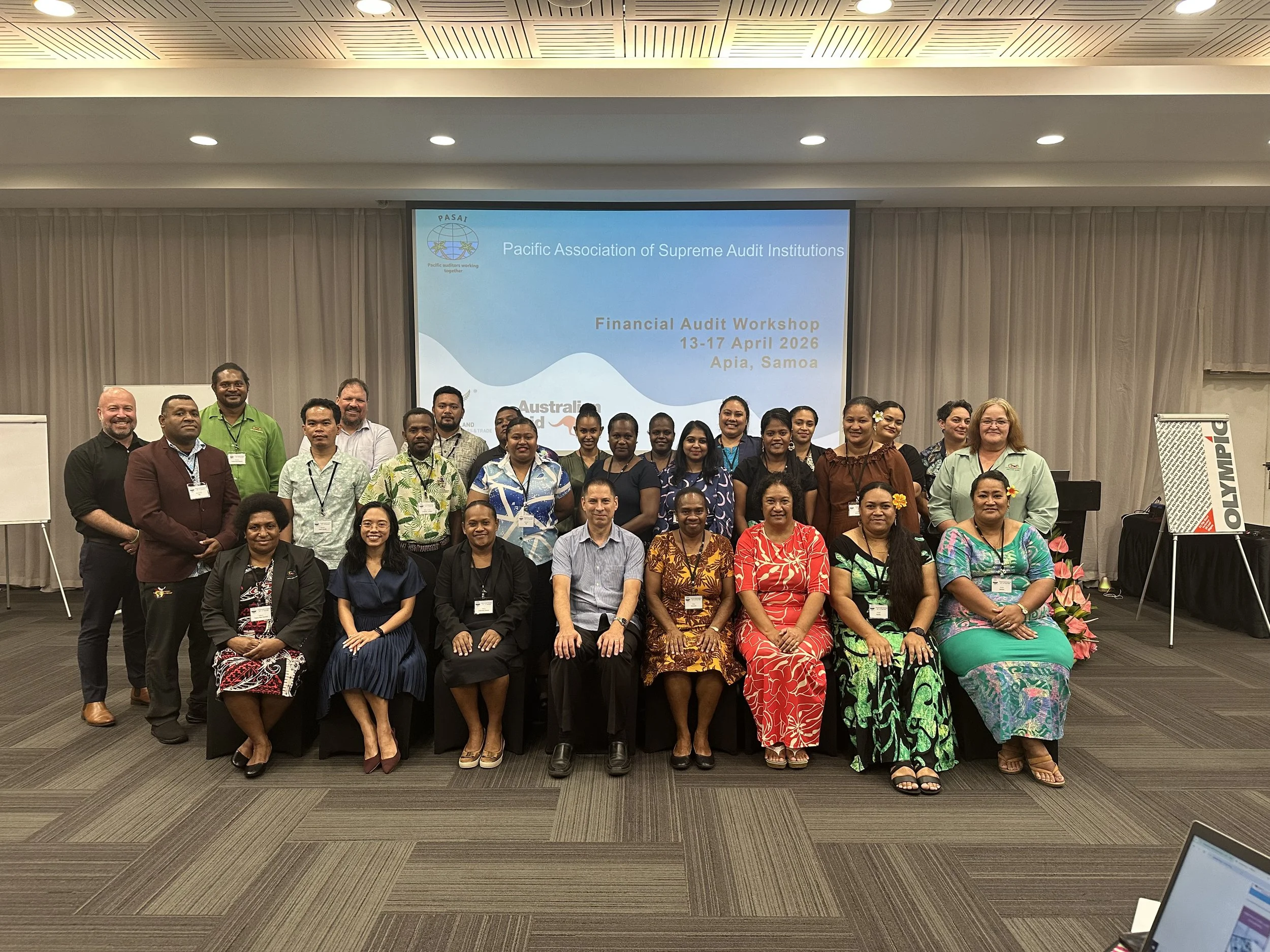
Performance audits a focus for PASAI Program Director in Palau

Koror, Palau: Program Director from the Pacific Association of Supreme Audit Institutions (PASAI), Mike Scott, is providing in-person technical assistance to the Office of the Public Auditor (OPA) of the Republic of Palau this week.

Mr Scott’s assistance covers matters ranging from the delivery of quality audits to the internal governance of the OPA. This includes working with the Public Auditor, Satrunino Tewid, and his staff to help the OPA update its forward program of work and refine its human resource practices. 

Mr Scott explained, “A big part of the OPA’s work is conducting performance audits in response to requests from the Senate and from the OPA’s annual audit plan.

“I’m here to advise the audit teams on how to approach and complete a number of those audits, as well as audits of grants received by the government and audits of the performance information prepared by public agencies.”

Of the team at the OPA, Mr Scott said, “They are committed to using the full range of their office’s mandate to deliver quality audits and other work that provides transparency and accountability for the Palau Congress and citizens of Palau.

“This small team plays an outsized role in Palau’s public financial management system and strives to enhance public sector performance.”

Mr Tewid welcomed the assistance from PASAI through Mr Scott’s visit, saying, “My office plays a crucial role in safeguarding the efficient and effective administration of public resources for the people and Government of Palau.

“I am grateful for PASAI’s invaluable assistance in helping us to fulfil this role.” 

During his mission, Mr Scott also visited the Ambassador of Australia to the Republic of Palau, His Excellency Mr Toby Sharpe, to brief him on the support PASAI is providing to the OPA.

PASAI acknowledges the support of the New Zealand Ministry of Foreign Affairs and Trade (MFAT) and the Australian Department of Foreign Affairs and Trade (DFAT).

Program Director, Mike Scott (centre), with Palau Public Auditor, Satrunino Tewid (third from right), and his staff

----END----

Contact information:

Mike Scott, Program Director PASAI
E: mike.scott@pasai.org P: +64 9 304 1275

PDF version of this media release
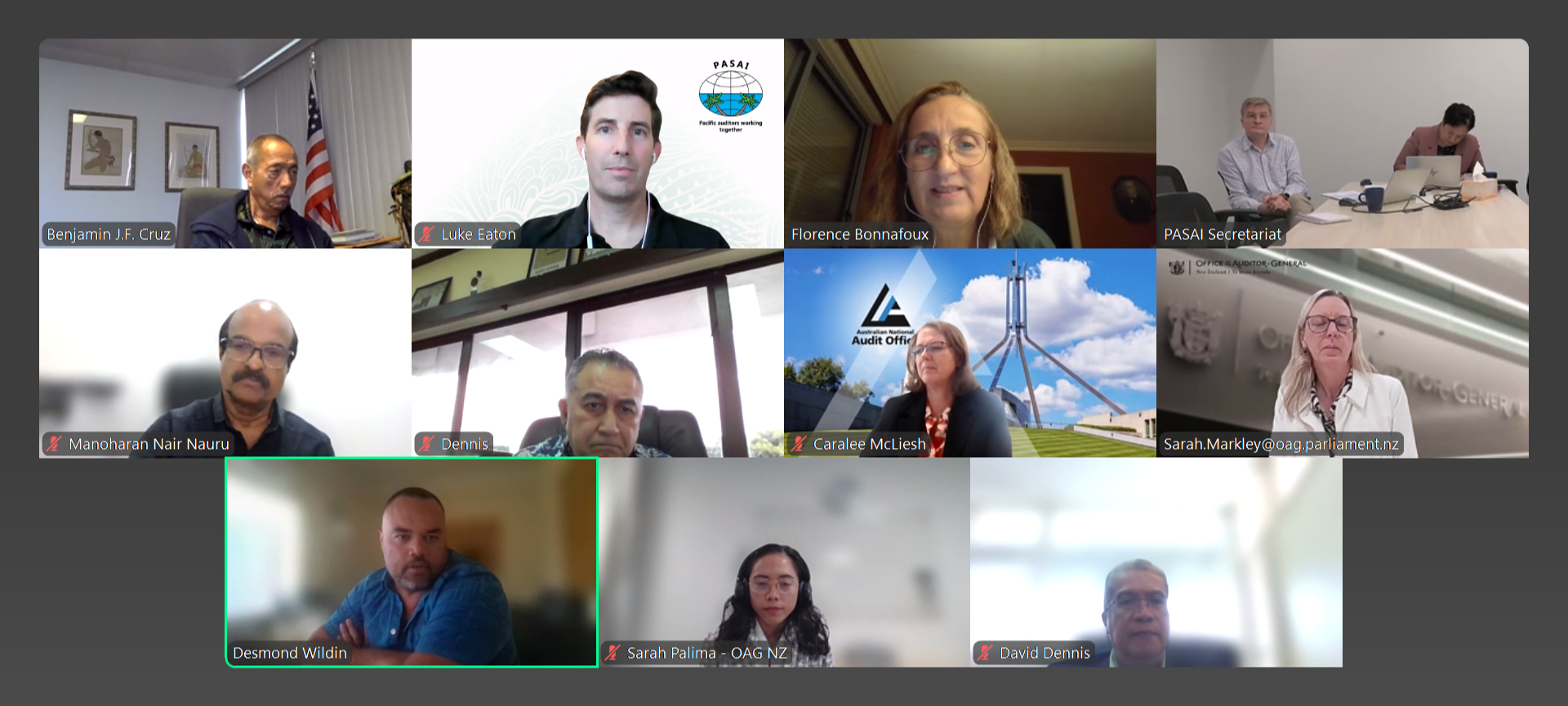
Two Micronesian state public audit offices benefit from PASAI organisational assistance

Kolonia, Pohnpei: Program Director for the Pacific Association of Supreme Audit Institutions (PASAI), Sinaroseta Palamo-Iosefo, spent 2 weeks in the Federated States of Micronesia providing in-person technical support to the staff at the state public audit offices of Pohnpei and Kosrae.

Ms Palamo-Iosefo started work at the Pohnpei office on 21 July, supporting staff to establish performance management processes, identify competencies needed for individuals and create a learning and professional development (LPD) plan.

“Audit offices can support staff competency development by refining job profiles, creating LPD plans and maintaining databases of staff progress towards professional certification,” Ms Palamo-Iosefo said.

Ms Palamo-Iosefo guided staff to develop their own performance agreements as a basis for monitoring performance and ensuring they contribute to achieving the SAI’s organisational goals.

She also trained staff on the importance of overall audit planning so audit offices can focus on key government priorities and matters of public interest, maximise their audit coverage, submit reports in a timely manner and conduct quality and impactful audits and investigations.

Locally-based Program Director, Sophia Pretrick, provided feedback on the office’s Investigation Division’s annual plan, ensuring it is integrated in the office’s annual operational plan.

From 28 July, Ms Palamo-Iosefo provided similar organisational technical assistance to the equivalent state office based in Tofol, Kosrae.

As well as technical support, Ms Palamo-Iosefo worked with the Public Auditor, Palikkun Kilafwasru, to review the bespoke capacity development plan used to guide the audit office’s training and development activities into 2026. A draft process for developing the office’s overall audit plan was prepared for it to finalise and adopt.

PASAI acknowledges the support of the New Zealand Ministry of Foreign Affairs and Trade (MFAT) and the Australian Department of Foreign Affairs and Trade (DFAT).

Pohnpei Public Auditor, Erick Paul, with PASAI Program Director, Sinaroseta Palamo-Iosefo

PASAI Program Director, Sinaroseta Palamo-Iosefo (sixth from right), with staff from the Pohnpei Office of the Public Auditor

PASAI Program Director, Sinaroseta Palamo-Iosefo (centre), with staff from the Kosrae Office of the Public Auditor

----END----

Contact information:

Sinaroseta Palamo-Iosefo, Program Director PASAI
E: sina.iosefo@pasai.org  P: +64 9 304 1275

PDF version of this media release
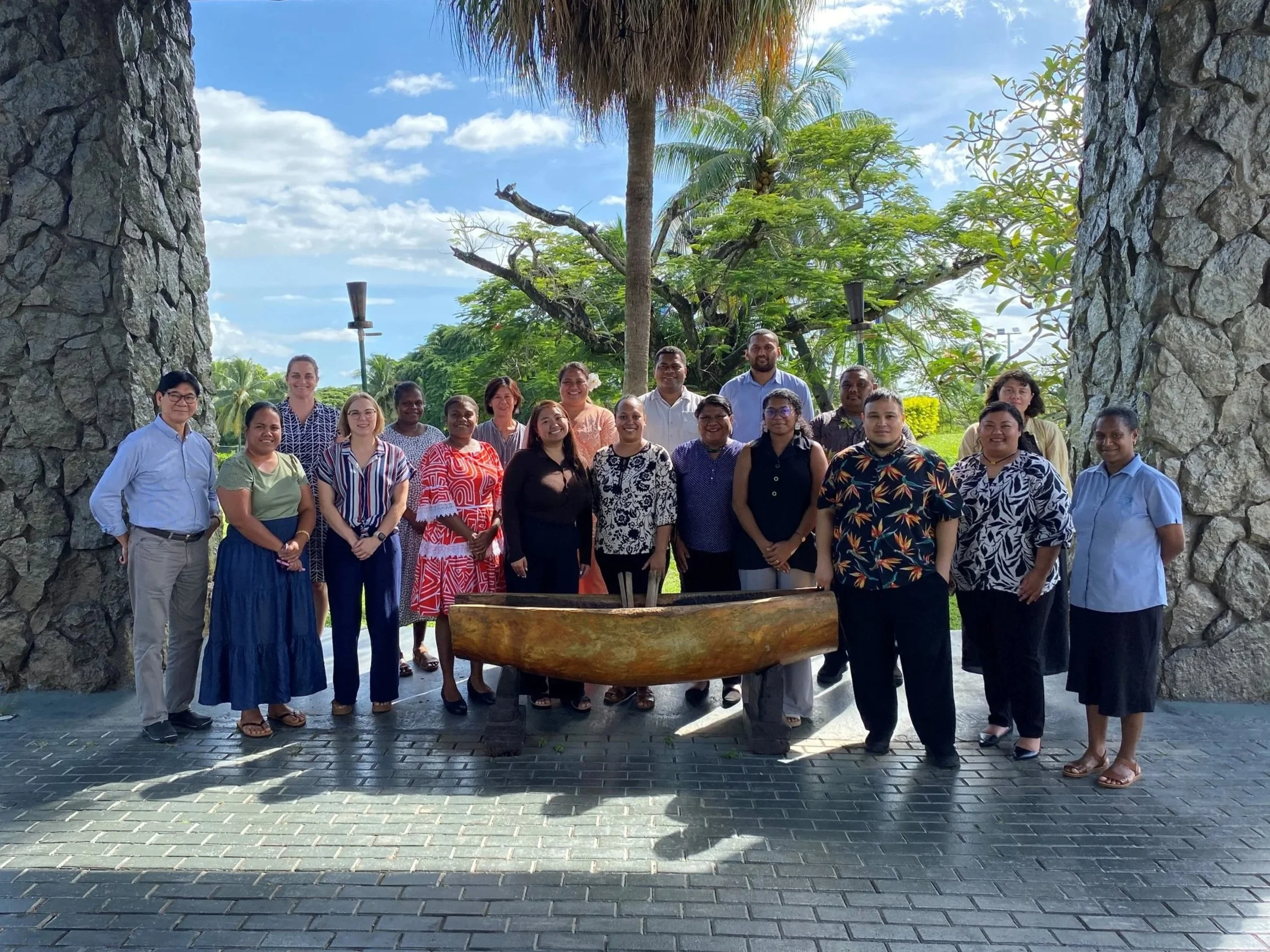
PASAI strengthens audit investigations and advocates for good governance in FSM Yap

Colonia, Yap State: The Pacific Association of Supreme Audit Institutions (PASAI) has completed a successful mission visit to Yap State in the Federated States of Micronesia with some audit capacity building and advocacy for good governance from 16 to 18 July 2025.

Led by Program Director, Sophia H Pretrick, the mission’s 2 key objectives were to provide in-house training and technical assistance to the staff of the Yap State Office of the Public Auditor and to engage in high-level advocacy with public sector leaders on the importance of audit independence and good governance principles.

The training sessions focused on strengthening the skills of staff in the audit office’s Compliance Investigation Unit, which investigates fraud, waste and mismanagement in government operations.

Staff participated in workshops covering ethics in government, fraud awareness, investigation planning, evidence handling and interview techniques, alongside an introduction to the Certified Fraud Examiner (CFE) professional development program.

Ms Pretrick commended the local audit staff members’ dedication to developing their investigation capabilities, saying, “PASAI is proud to support members through mentoring, technical assistance and by helping to align their manuals and practices with international standards.

“Supporting staff to gain CFE certification aligns with our vision of transparent and accountable public administration for the benefit of all Pacific peoples.”

Accompanied by the Public Auditor, Bryan Dabugsiy, and Chief Investigator, Marie Laamar, Ms Pretrick explained PASAI’s role in the broader Pacific region in a meeting with the Acting Governor, the Attorney General, the Director of the Office of Administrative Services, the Director of Planning and Budget and the Human Trafficking Coordinator.

As part of her advocacy activities, Ms Pretrick also delivered a targeted session for members of the 11th Yap State Legislature on the role of government audit offices in fostering accountability, transparency and integrity.

She presented the results formal assessments of regional audit offices’ levels of independence, highlighting the local office’s status and the importance of legislative support for an upcoming bill designed to strengthen its independence.

“I’m encouraged by the commitment expressed by Yap State legislators to working with the Office of the Public Auditor on legislative reform and to make use of its audits to improve public governance,” Ms Pretrick said.

PASAI acknowledges the support of the New Zealand Ministry of Foreign Affairs and Trade (MFAT) and the Australian Department of Foreign Affairs and Trade (DFAT).

PASAI Program Director, Sophia H Pretrick (fourth from left); Public Auditor, Bryan Dabugsiy (third from right); and Chief Investigator, Marie Laamar (far right); meeting with Acting Governor, Francis Itimai (seated, centre); and other Cabinet members

At a presentation to members of the 11th Yap State Legislature, including Speaker, Nicholas Figirlaarwon; and chairs and vice chairs of various legislative committees  

----END----

Contact information:

Sophia H Pretrick, Program Director PASAI
E: sophia.pretrick@pasai.org  P: +64 9 304 1275

PDF version of this media release
Mission to Chuuk State a first for PASAI Program Director in new role

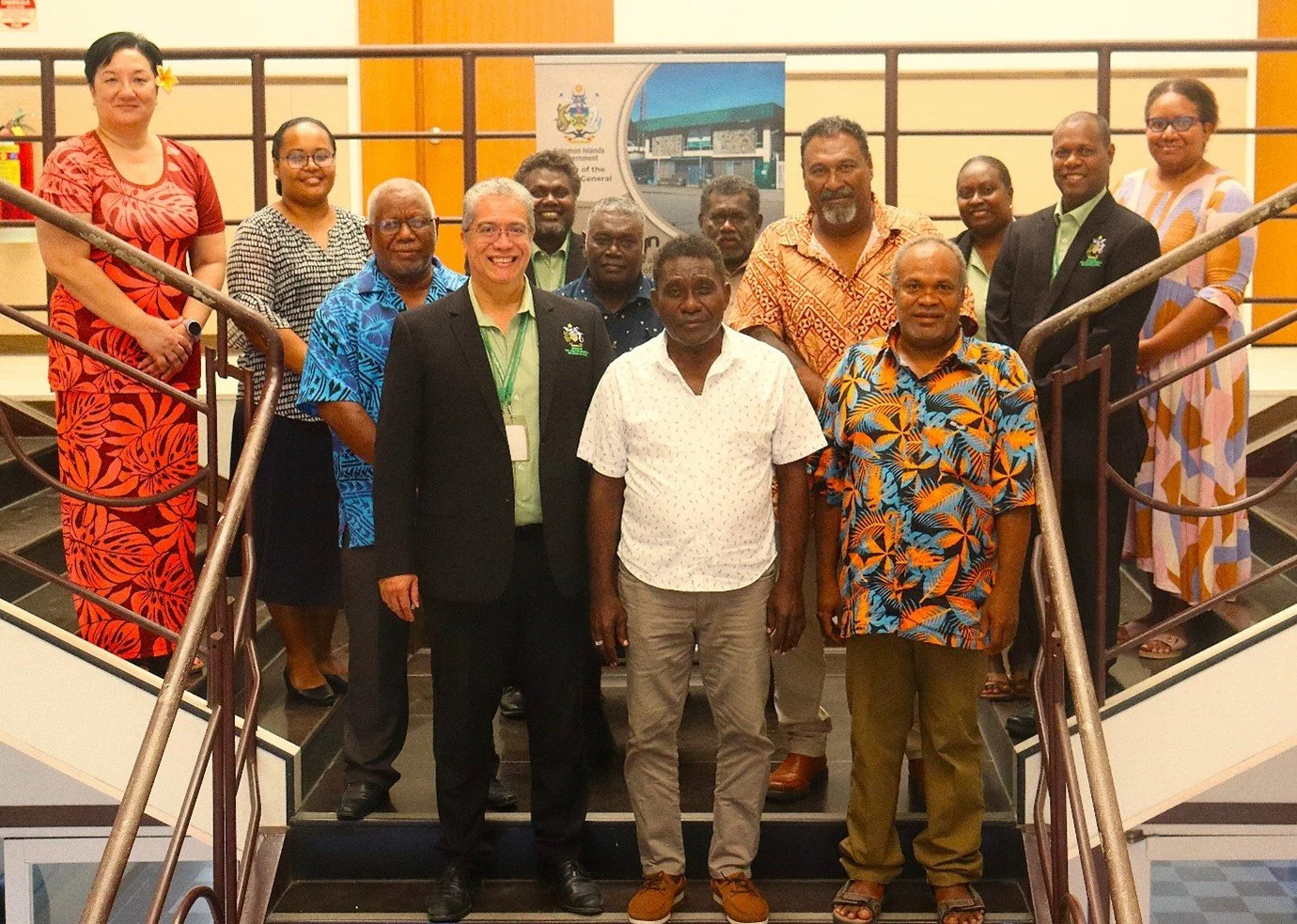
Weno, Chuuk State: Program Director for the Pacific Association of Supreme Audit Institutions (PASAI), Sophia H Pretrick, conducted her first mission to the Chuuk State of the Federated States of Micronesia from 11 to 13 June 2025.

While there, Ms Pretrick delivered training and technical assistance to the Office of the Chuuk State Public Auditor (OCPA) staff and met members of the Chuuk State Legislature to advocate for audit office independence and good governance.

The training provided to staff was focused on fraud investigations, ranging from the identification and detection of fraud schemes to collecting and analysing financial evidence, and interviewing witnesses and potential suspects.

Ms Pretrick explained that according to the auditing standards the OCPA adheres to, auditors must assess the risk of fraud occurring within the scope of their audit objectives.

“It’s critical that auditors know how to be alert to fraudulent activities while performing audits. The OCPA also proactively performs community outreach on fraud awareness,” she said.

Ms Pretrick and the Acting Public Auditor of the OCPA, Sarah Mori, met with representatives from both parties of the Chuuk State Legislature to highlight the importance of working together to implement audit recommendations and address aspects of legislation that inhibit the OCPA’s independence.

Ms Pretrick was encouraged by the advocacy meetings and courtesy visits, saying, “Members of the Legislature supported the strengthening of the OCPA’s independence and expressed interest in the creation of a public accounts committee to scrutinise audit reports, ensuring recommendations are addressed and government spending is accountable.” 

PASAI acknowledges the support of the New Zealand Ministry of Foreign Affairs and Trade (MFAT) and the Australian Department of Foreign Affairs and Trade (DFAT).

L to R: Acting Chuuk Public Auditor, Sarah Mori; PASAI Program Director, Sophia H Pretrick; and Governor’s Representative and Special Advisor, Roger Mori

With the House of Senate, Hon Vice President, Wisney Nakayama; Hon Chairman of the Judiciary and Governmental Relations Committee, Pius Olopey; and Hon Vice Chairman, Mike Maras

With the House of Representatives Hon Speaker, Lester Danny Mersai; and Hon Chairman, Jesse Petewon William

----END----

Contact information:

Sophia H Pretrick, Program Director PASAI
E: sophia.pretrick@pasai.org  P: +64 9 304 1275

PDF version of this media release
Audit office independence a priority for PASAI in Tuvalu

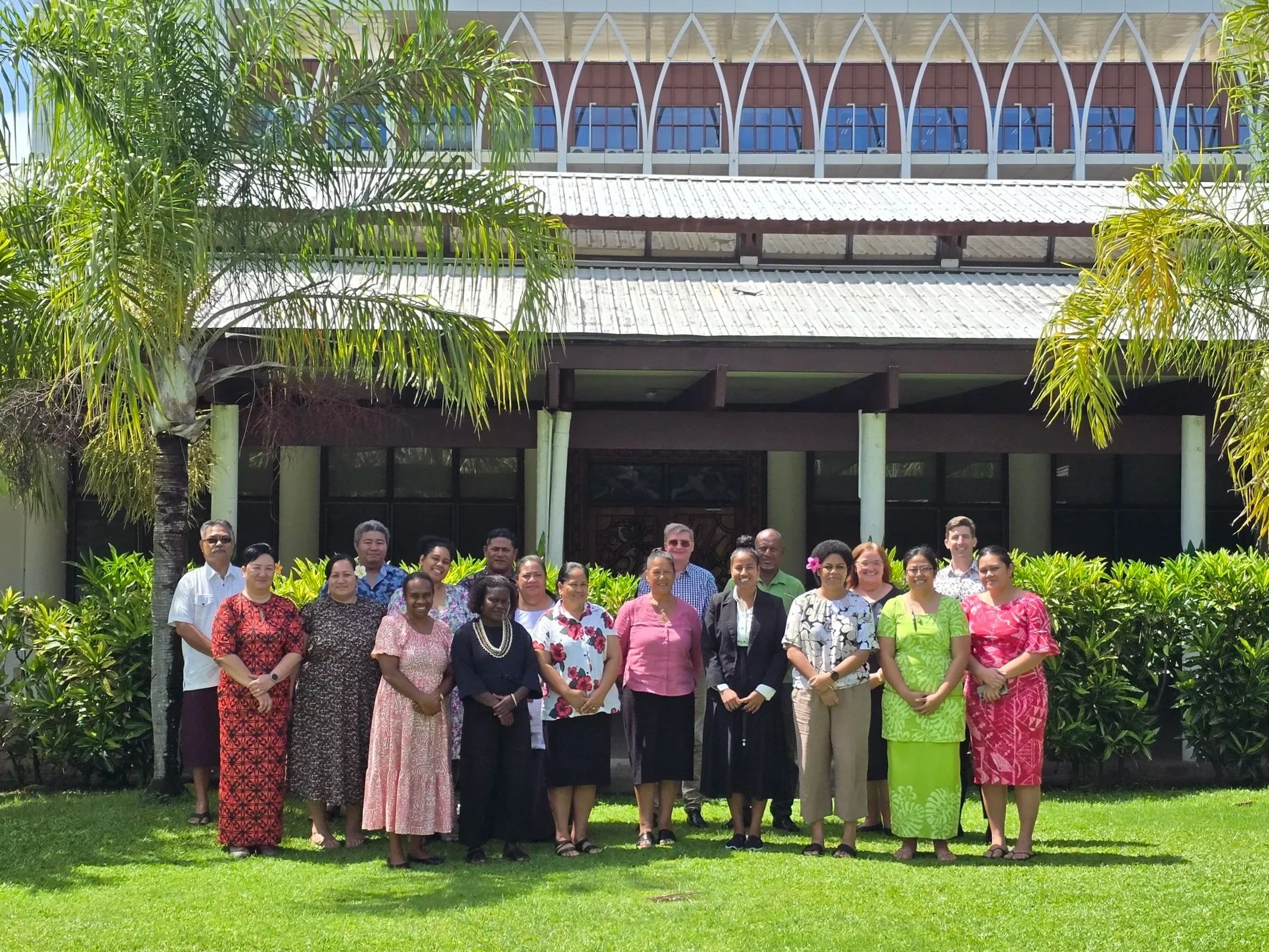
Funafuti, Tuvalu: Program Director for the Pacific Association of Supreme Audit Institutions (PASAI), Sinaroseta Palamo-Iosefo, spent this week in Tuvalu providing in-person technical support to the staff at the Office of the Auditor General (OAG).

Ms Palamo-Iosefo started work at the office on 26 May and is providing comprehensive support ranging from organisational development to the implementation of human resource (HR) functions.

While here she also met with the Chair of the Public Accounts Committee, Hon Monise Laafai.

Ms Palamo-Iosefo explained the meeting was part of PASAI’s advocacy work, saying, “Independence is critical to the OAG’s effective functioning and performing its oversight role in holding government to account.”

As participants of PASAI’s on-going HR management program, the OAG was keen to adopt effective people management practices. While at the office, Ms Palamo-Iosefo supported staff to establish performance management processes, identify competencies needed and initiated the creation of a learning and professional development (LPD) plan.

“Audit offices can support staff competency development by refining job profiles, creating LPD plans and maintaining databases of staff progress towards professional certification,” Ms Palamo-Iosefo said.

Other mission objectives included strengthening the audit office’s financial management processes and following up the development of its overall audit plan.

“Ensuring the OAG’s own budgeting and payment processes stand up to high levels of scrutiny enables it to be a credible evaluator of other public agencies’ accounts,” Ms Palamo-Iosefo said.

As well as technical support and advocacy, Ms Palamo-Iosefo worked with the Auditor General, Imase Taai Kaunatu, to review the bespoke capacity development plan used to guide the audit office’s training and development activities into 2026.

PASAI acknowledges the support of the New Zealand Ministry of Foreign Affairs and Trade (MFAT) and the Australian Department of Foreign Affairs and Trade (DFAT).

PASAI Program Director, Sinaroseta Palamo-Iosefo, with staff from the Office of the Auditor General of Tuvalu

PASAI Program Director, Sinaroseta Palamo-Iosefo, with Chair of the Public Accounts Committee, Hon Monise Laafai

----END----

Contact information:

Sinaroseta Palamo-Iosefo, Program Director PASAI
E: sina.iosefo@pasai.org P: +64 9 304 1275

PDF version of this media release
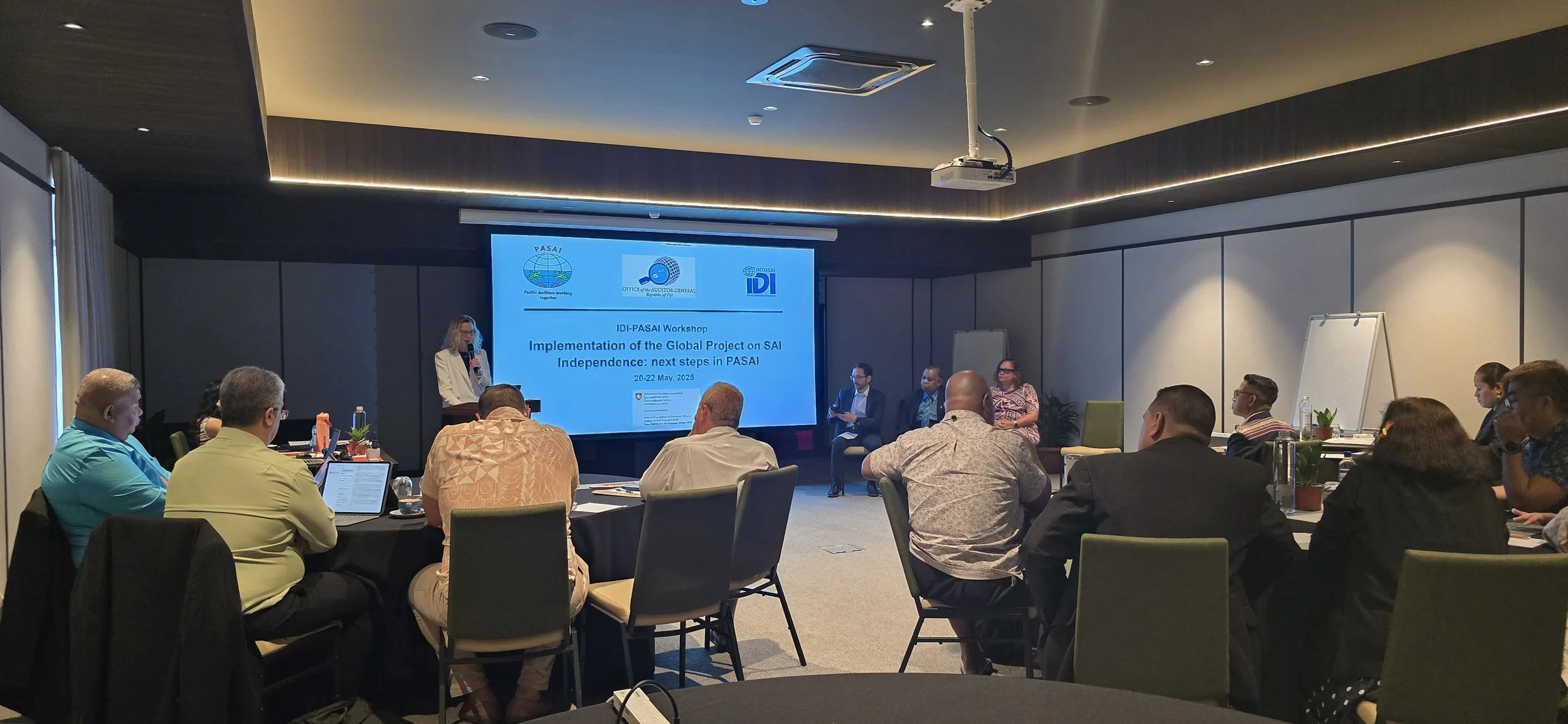
Government auditors in Fiji for regional reporting on climate change adaptation actions

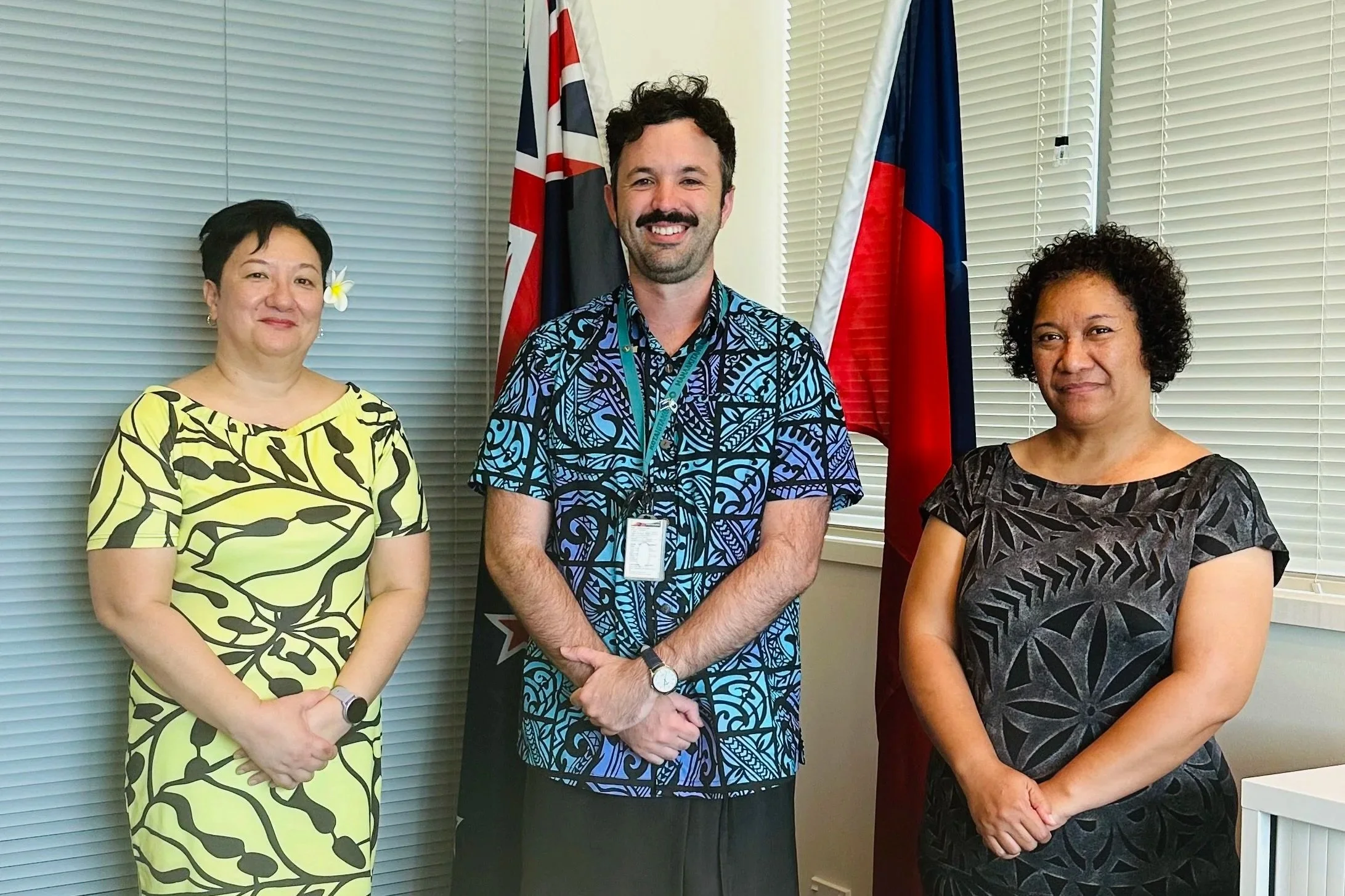
Nadi, Fiji: The Pacific Association of Supreme Audit Institutions (PASAI) is holding a 4-day in-person workshop for auditors reporting on government responses to climate-related matters from today.

Thirteen performance auditors (9 female, 4 male) from the government audit offices of the Federated States of Micronesia, Fiji, the Marshall Islands, New Caledonia, Samoa, Solomon Islands, Tonga, Tuvalu and Vanuatu are participating in the workshop from 26 to 29 May 2025.

PASAI has been providing guidance to the 9 Pacific Island audit teams since the audits started in 2024.

Each participating audit office has selected one of 3 audit topics; examining how well their governments are managing water resources, implementing climate change adaptation plans or actions, or taking action to adapt to the impact of sea level rise and coastal erosion.

Staff from the New Zealand Office of the Auditor-General and the Australian state audit offices of New South Wales, Queensland and South Australia have also provided technical support to many of the Pacific Island audit teams.

The workshop is being held to extract the themes from the individual performance audits and prepare an outline of a Pacific regional report on climate change adaptation actions.

PASAI Program Director, Mike Scott, is co-facilitating the workshop with Karen Wong, a Performance Audit Manager from the New Zealand Office of the Auditor-General.

“Our regional report will feed into a global overview report for presentation to international stakeholders and events, including at the UN’s Climate Change Conference this November,” said Mr Scott.

Workshop participants will present their own report findings and review how their participation in this cooperative regional audit will help them improve their performance audit practices in future work.

Mr Scott expressed satisfaction with the dedication of the auditors, saying, “Many of the audit teams overcame significant hurdles to access information and people, undertake site visits, gather direct evidence of government project progress and engage with communities to hear, see and understand how well initiatives are improving their lives and futures.”

PASAI acknowledges the support of the New Zealand Ministry of Foreign Affairs and Trade (MFAT) and the Australian Department of Foreign Affairs and Trade (DFAT).

Participants of the report writing workshop in Nadi, Fiji

----END----

Contact information:

Mike Scott, Program Director PASAI
E: mike.scott@pasai.org P: +64 9 304 1275

PDF version of this media release
Pacific Island auditors to focus on government compliance in new webinar series

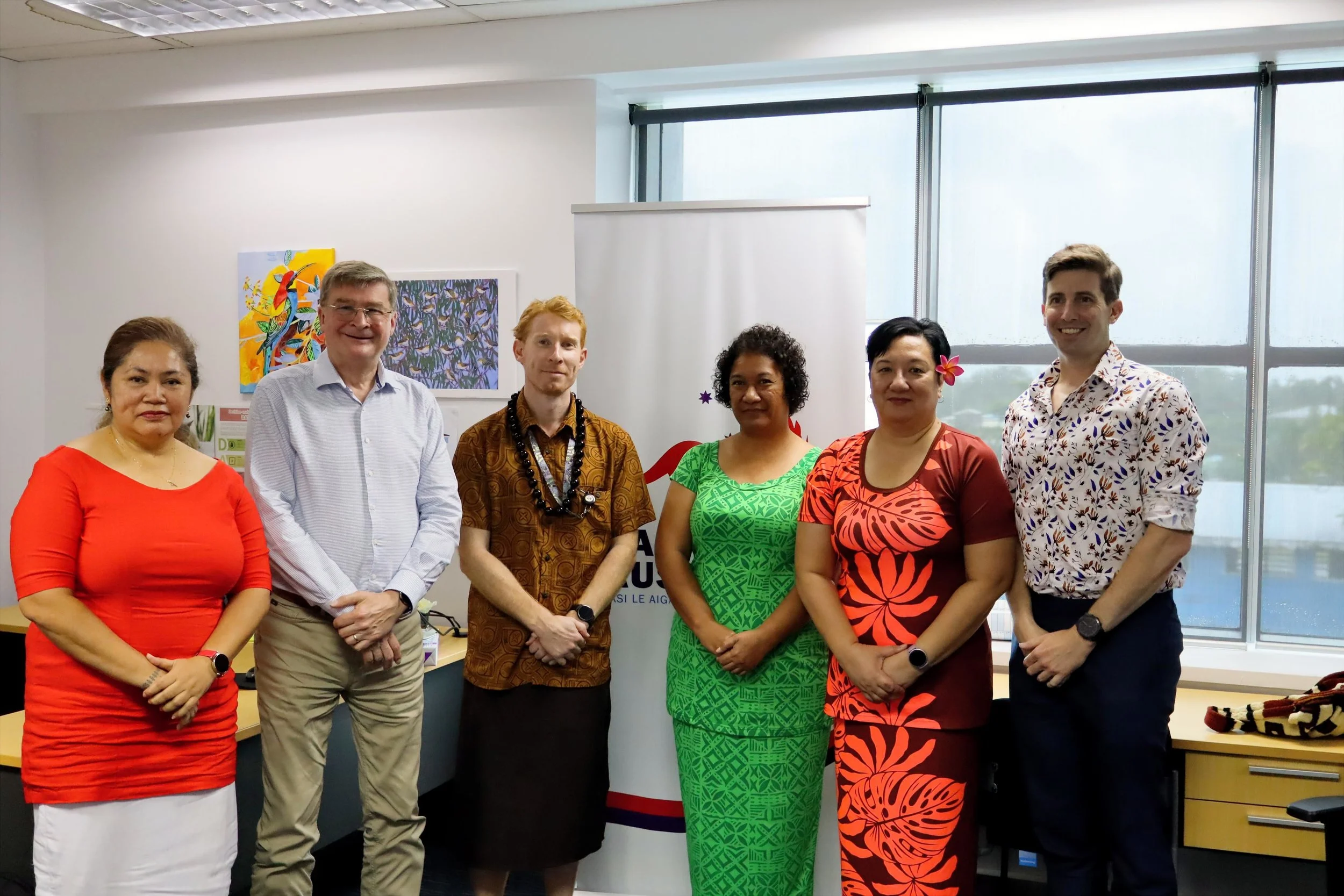
Auckland, New Zealand: The Pacific Association of Supreme Audit Institutions (PASAI) is delivering a series of webinars to strengthen the capacity of its members to conduct high-quality compliance audits from today.

Ninety-one staff (49 female and 42 male) from the government audit offices of the Cook Islands, Fiji, Kiribati, the Marshall Islands, Nauru, the Northern Mariana Islands, Palau, Papua New Guinea, Samoa, Tuvalu and Yap State in the Federated States of Micronesia have registered for the remotely accessible capacity building training.

One of the course facilitators, PASAI Program Director, Susana Laulu, believes compliance audits are a powerful tool to uphold fairness and accountability in public institutions.

“Compliance audits help ensure that public officials and institutions are following the rules, laws, policies and executive directives they’re meant to uphold.

“A compliance audit can either reveal to the auditee what it needs to change or it can provide assurance to the public that the government entity is applying laws and regulations fairly and consistently – there is great value in either outcome,” she said.

PASAI has developed this training to improve the coverage of compliance audit activities and enhance public sector auditors’ capabilities in conducting a standalone compliance audit.

The training will include practical examples from the public sector to illustrate key concepts and the different phases of the compliance audit process as prescribed by the international standards.

Ms Laulu explained, “Our goal is to demystify compliance auditing and provide practical guidance that audit teams can apply immediately.

“It’s about giving auditors the confidence and clarity to ask the right questions and make meaningful findings.”

PASAI acknowledges the support of the New Zealand Ministry of Foreign Affairs and Trade (MFAT) and the Australian Department of Foreign Affairs and Trade (DFAT).

----END----

Contact information:

Susana Laulu, Program Director PASAI
E: susana.laulu@pasai.org P: +64 9 304 1275

PDF version of this media release