By Sarnesh Deo, Director Monitoring, Evaluation and Reporting, PASAI
Why performance measurement matters at PASAI
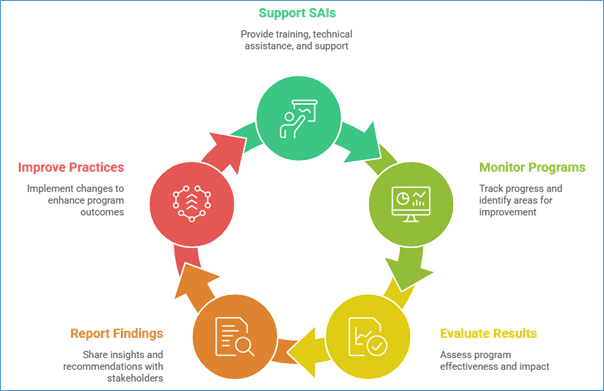
At PASAI, performance measurement is central to ensuring that our work leads to real, measurable improvements in public sector auditing across supreme audit institutions (SAIs) in the Pacific (see Figure 1, below).
We support 20 SAIs through a combination of:
capacity building and training
technical assistance and advisory support
advocacy for SAI independence
regional collaboration, including twinning partnerships.
Figure 1: Performance measurement cycle
Given that this work is supported by members and development partners, it is essential that we can clearly demonstrate both progress and impact.
Monitoring, evaluation, and reporting (MER) enable us to:
assess whether programs are delivering intended results
ensure resources are used effectively
continuously strengthen how support is delivered across the region.
What MER means at PASAI
MER forms the backbone of our performance system:
Monitoring tracks whether activities are delivered as planned.
Evaluation assesses whether these activities lead to meaningful change.
Reporting communicates results to stakeholders, including members, the Governing Board and development partners.
Together, these processes ensure accountability, transparency and evidence-based decision-making.
For example, we routinely track:
the number of training interventions delivered
participation levels across SAIs
feedback on in-person workshops
the type of technical support provided to member offices (such as audit, work planning or human resource management support).
These data points help confirm that programs are reaching the right people and progressing as intended.
We are progressively enhancing our evaluation to give us insights into the outcomes we are achieving for our members. We ultimately want relevant and reliable evaluation to clearly demonstrate how training has strengthened staff members’ ability to conduct financial, compliance or performance audits, and how SAIs are applying these skills in practice to timely completion of quality audits.
How monitoring and evaluation works in practice
We are continuously seeking to improve how we implement MER from the planning stage through to reporting and learning.
1. Planning with clear targets
Each year, we set defined targets through our annual implementation plan, which is aligned to our strategic priorities, seeking to clearly define success from the outset.
2. Continuous monitoring
Monitoring takes place throughout the year. Activities tracked include:
training programs and workshops
in-country support and technical assistance
advocacy engagements with government officials and members of legislatures.
This allows us to identify challenges early and adjust delivery where needed.
3. Outcome-focused evaluation
Evaluation occurs at key milestones or after major initiatives. For example, in blended learning programs (webinars, self-paced courses and workshops), we assess:
knowledge and skills gained
participant confidence and capability
application of learning in the workplace.
Our aim is to ensure that evaluation covers not only delivery of programs but also how our support makes a difference. This difference is in strengthening SAI capability and the impact of SAIs in promoting transparent, accountable and effective public financial management.
4. Structured reporting
Evidence is consolidated into:
monthly updates
quarterly performance reports
six-monthly and annual reports.
These reports provide a picture of progress and results (see Figure 2, below), supporting accountability to stakeholders.
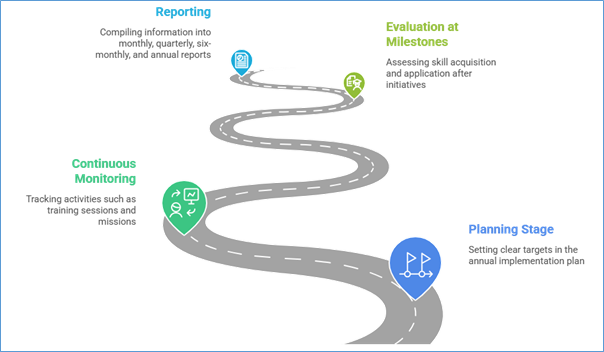
Figure 2: PASAI’s Monitoring and Evaluation Process
Learning and improving through evidence
Here at PASAI, MER is not just about tracking performance, it is about learning and continuous improvement.
By analysing data and feedback, we:
refine training content and delivery methods
strengthen technical assistance approaches
identify gaps and emerging needs across SAIs.
For example, as shown in Figure 3, we use evaluation findings from training programs to improve course design. Lessons from country support inform future engagement strategies and help in the sustainability of the work.
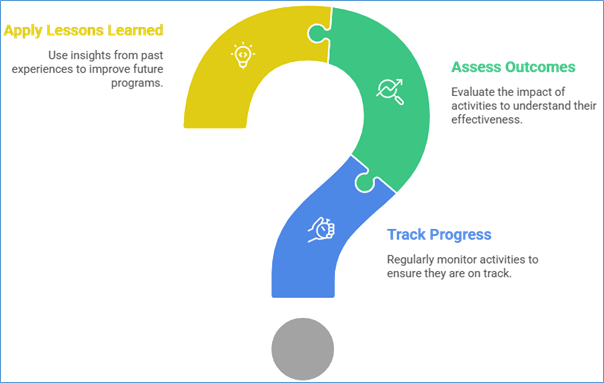
Figure 3: Ensuring sustainability and long-term outcomes
Transparent reporting also builds confidence with development partners, demonstrating that PASAI is committed to delivering efficient, effective and results-driven programs.
Looking ahead
As we continue to implement our strategy, MER will remain central to ensuring that programs deliver sustainable, long-term outcomes.
By systematically tracking progress, assessing outcomes and applying lessons learned, we strengthen our contributions to:
improved public financial management
enhanced audit quality
stronger SAI independence and governance.
Ultimately, performance measurement ensures that our work goes beyond activities and outputs, delivering lasting impact across the Pacific region.