By Sinaroseta Palamo-Iosefo, Program Director, PASAI
Supreme audit institutions (SAIs) play a vital role in auditing public resources, strengthening accountability and fostering trust in government. In small island contexts where resources are limited, environments are vulnerable and public institutions often operate under significant constraints – the importance of having independent, effective and resilient SAIs cannot be overstated.
The Pacific context: High expectations, limited resources
Pacific SAIs operate in uniquely challenging environments. Many serve small populations with limited pools of skilled professionals, leading to persistent capacity constraints and high staff turnover. Geographic isolation can make access to training and professional development more difficult and costly.
At the same time, expectations of SAIs are growing. Governments and citizens alike are calling for stronger oversight of public finances, particularly as countries manage increasingly complex funding streams, including development assistance and climate finance. These pressures demand SAIs that are not only technically competent, but also strategically managed and institutionally resilient.
Common challenges to the capability of Pacific SAIs
Despite progress across the region, many SAIs continue to face systemic challenges that can limit their effectiveness.
Human resource constraints are a persistent issue. Small audit offices often rely on a handful of staff and have a limited pool of qualified people to recruit from. This makes them vulnerable to turnover and limits opportunities for specialisation. Leadership gaps and limited experience with strategic planning can further constrain organisational effectiveness.
Operational systems may also be underdeveloped. Without strong planning, monitoring and performance management processes, SAIs can struggle to prioritise their work and demonstrate their impact. At the same time, lack of full SAI independence and pressures such as evolving stakeholder expectations add complexity to an already demanding environment.
These challenges underscore the need for a more holistic approach to capacity development, one that goes beyond technical training to strengthen the way SAIs are managed and governed.
Creating well-governed SAIs with enduring capabilities
We recognise that sustainable impact requires more than short term-capacity gains. Our strategic priority of creating well-governed SAIs with enduring capabilities reflects a shift toward strengthening the institutional foundations of audit offices.
Enduring capability means that a SAI can consistently deliver high-quality audits over time, regardless of changes in personnel or the external environment it operates in. It includes:
strong leadership and governance structures
clear strategic direction
effective internal systems and processes
the ability to adapt to emerging challenges.
Why strategic management matters
Strategic management is a critical foundation for building enduring capability. It enables SAIs to move from reactive, short-term decision-making to a more proactive and structured approach to fulfil their mandates and ensure the delivery of value and benefits to society.
At its core, strategic management involves:
setting a clear vision and priorities
aligning resources to organisational goals
monitoring performance and managing risks
ensuring leadership alignment and accountability.
When these elements are in place, SAIs are better positioned to make informed decisions, allocate resources effectively and sustain improvements over time. Without them, even well-trained staff may struggle to deliver consistent results.
Our strategic management program
To address these challenges, we have developed the strategic management program (SMP) which focuses on strengthening the governance and management systems of SAIs across the region.
The SMP takes a long-term, partnership-based approach. Rather than delivering one-off training, it works alongside SAIs to support sustained organisational development. Key elements of the program include:
building knowledge and understanding of strategic management concepts, principles and processes through webinars
supporting SAIs to develop and implement realistic strategic and operational plans considering stakeholder expectations and emerging issues
supporting SAIs to develop and implement systems for planning, monitoring, and reporting on performance
fostering a culture of learning and continuous improvement to ensure quality service delivery.
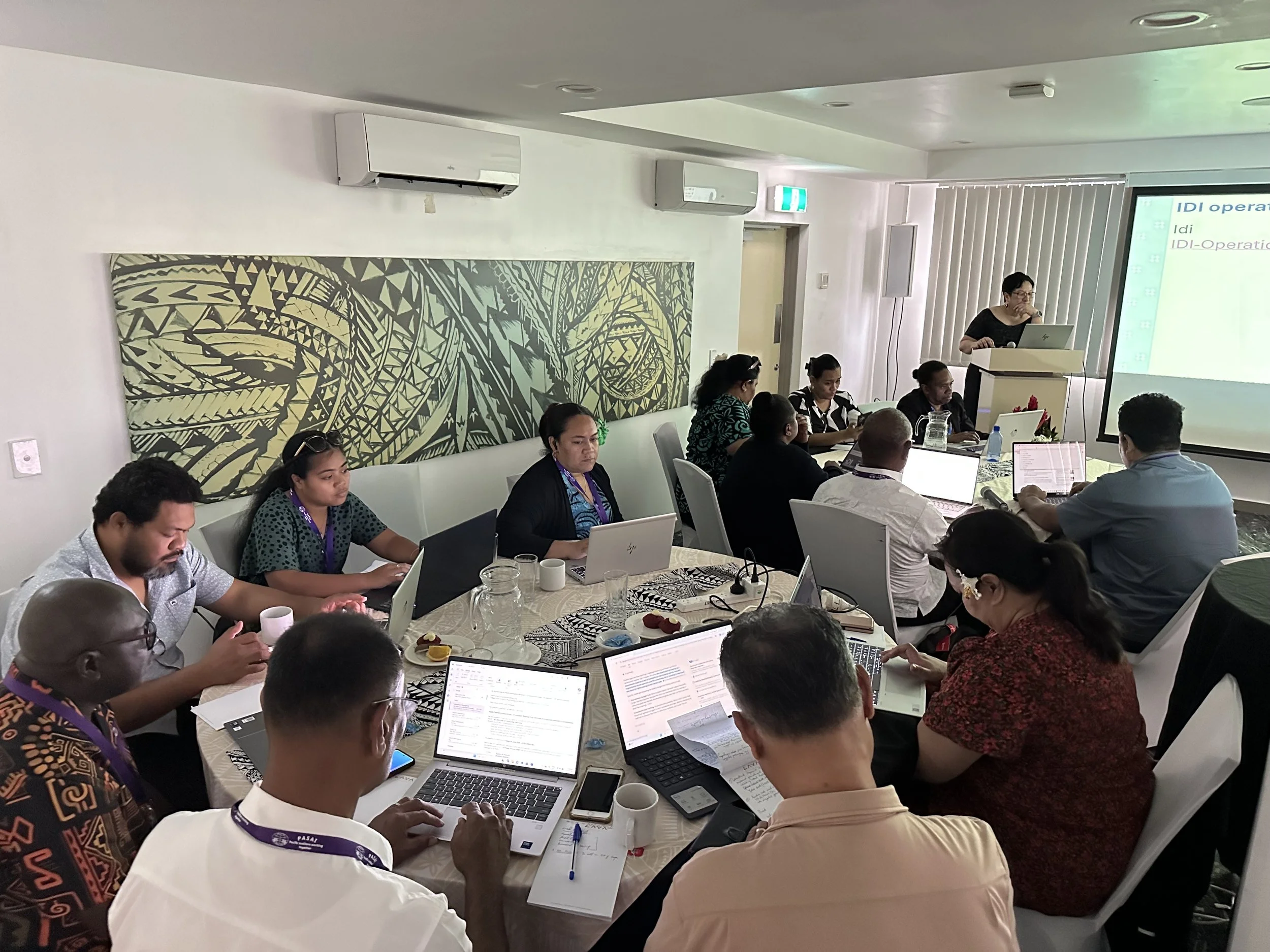
Building on the knowledge and understanding established through webinars, last month we conducted a workshop in Samoa supporting 10 SAIs in the South Pacific to develop annual operational plans. The workshop focused on ensuring that SAIs’ operational plans included sufficient and clearly defined audit activities linked to SAIs’ strategic plans, with timelines, responsibilities, and frameworks to monitor SAI performance.
A key strength of the SMP is its emphasis on ownership. Each SAI leads its own development journey, with support from us tailored to the SAIs’ specific context and needs. This approach builds SAI capabilities and ensures that capacity development interventions are relevant, practical and more likely to be sustained.
With robust and realistic strategic planning, SAIs have a clearer sense of direction, allowing them to prioritise their work and allocate resources more effectively. Improved monitoring and reporting systems enable leadership to track progress and make informed decisions.
Importantly, these changes also enhance resilience. When systems and documented processes are in place, SAIs are less dependent on individual staff members. This makes it easier to manage turnover and maintain continuity in audit work.
Stronger governance and management systems also build credibility. SAIs that can demonstrate clear plans and measurable results are better positioned to engage with legislatures, executive governments and development partners, reinforcing their role as independent and trusted institutions. SAI credibility can, in turn, be a catalyst for SAI independence.
Lessons learned along the way
Experience from the Pacific highlights several key factors that contribute to success.
SAI leadership commitment is essential in driving necessary changes to build enduring capabilities. Meaningful change requires leaders who are willing to invest time and effort in strengthening their organisations. Peer learning is also highly valuable. Pacific SAIs benefit greatly from sharing experiences and supporting one another through regional networks and twinning partnerships with more developed SAIs within the region.
Another important lesson is the value of long-term engagement. Building enduring capability takes time. Our programs like the SMP are most effective when they provide sustained support and allow space for gradual, incremental improvement at the SAIs.
Finally, flexibility is critical. Each SAI operates in a unique context and capacity-building approaches must be adapted accordingly.
Sustaining momentum
As the Pacific continues to navigate complex challenges, from economic pressures to climate change, the need for strong, capable SAIs will only grow. Emerging areas such as digital transformation, artificial intelligence, diversity and inclusion, and climate-related auditing will require new skills and approaches.
Sustaining progress will depend on continued investment in leadership, systems and regional collaboration. Our role in bringing SAIs together, facilitating shared learning and supporting long-term development will remain central.
Strengthening SAIs in the Pacific is more than building capacity, it’s about building institutions that last. Our strategic focus on well-governed SAIs with enduring capabilities recognises that sustainable impact comes from strong foundations: effective leadership, robust systems and a clear sense of direction.
Through initiatives like the SMP, Pacific SAIs are not only improving how they work today but are also laying the groundwork for a more resilient and accountable future.
In a region where resources are limited and challenges are significant, this focus on enduring capability is not just desirable, it is essential.
What’s next in strategic management for the region?
We plan to deliver the same workshop that was delivered in Samoa to support SAIs in the North Pacific develop realistic and well-resourced annual operational plans that deliver meaningful outcomes for society. SAIs will be supported through country missions and remotely to ensure they implement, monitor and report on performance against their strategic and operational plans. We will also continue our series of webinars building knowledge on managing risks that impact the successful implementation of SAIs’ strategic and operational plans.
References
Strategic management webinar series