By Sophia H Pretrick, CFE, Program Director, PASAI
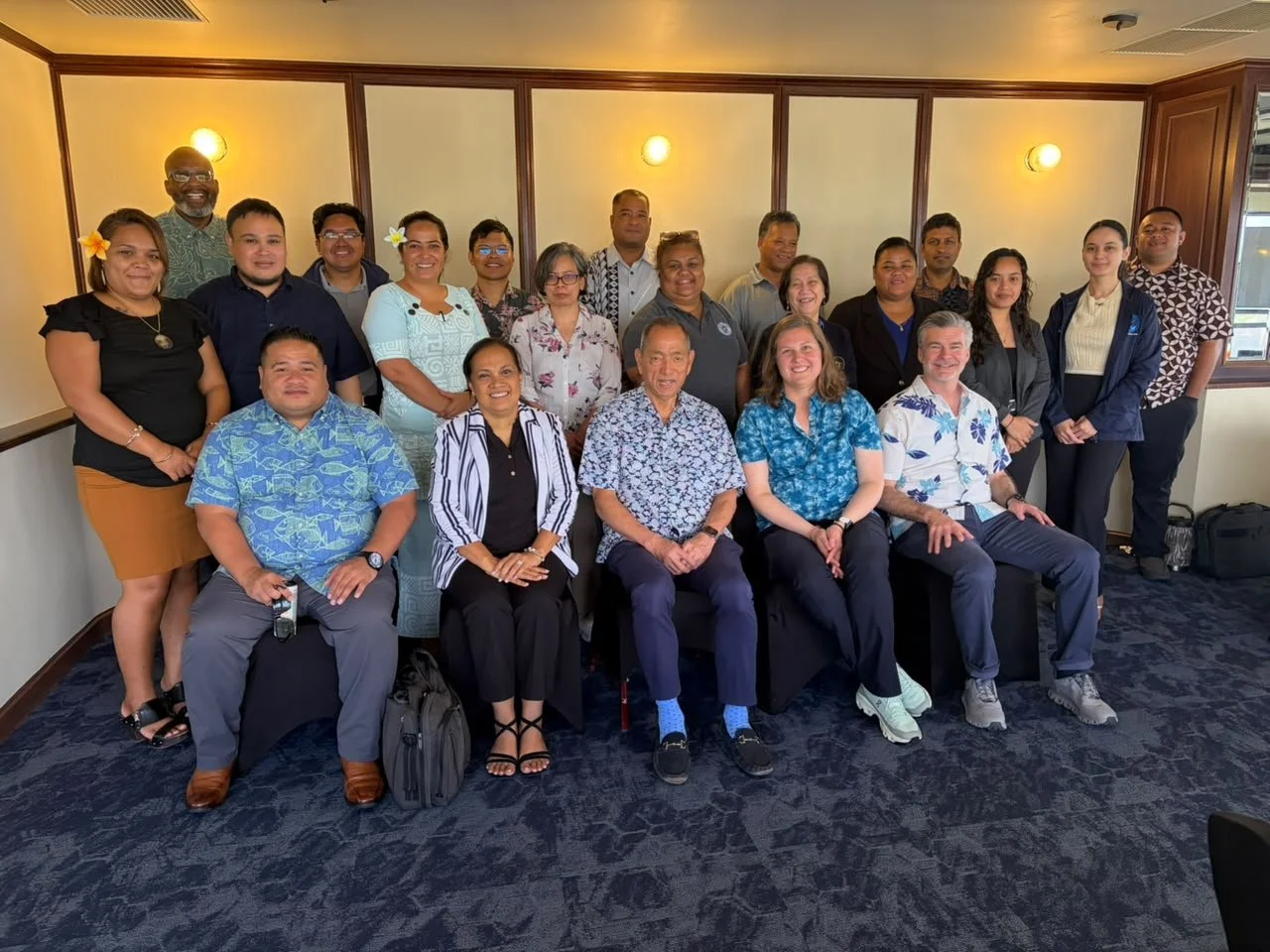
During our investigation workshop in Guam this June, representatives from 7 SAIs discussed the challenges investigators face in small-island jurisdictions. Most participants were investigators from North Pacific SAIs.
The investigation workshop was designed to enhance the skills and capabilities of investigators and to strengthen the relationships and teamwork between the investigative units across SAIs. Sharing best practices, approaches to challenges and resources is possible once a collaborative environment has been fostered. I’m confident the workshop successfully established such an environment given the open exchange of information and experiences from different jurisdictions.
Investigators are under scrutiny and should always be objective, professional and work with integrity. They also face integrity risks and ethical dilemmas in a close-knit community. As investigators, they often face situations that require judgement, objectivity and courage.
I conducted a session on ethics and integrity specific to fraud investigations, which was a great opportunity for the participants to strengthen their understanding of ethical behaviour, professional integrity and accountability in their work. The session helped them recognise ethical risks and understand the importance of maintaining integrity in challenging situations.
Working as a fraud investigator, it is never just about seeking the truth and gathering facts. It also requires courage to endure challenges and do the right thing. The challenges are magnified and the courage needed amplified in an environment where everyone is more closely connected and has some inkling of what is happening. Six degrees of separation does not apply in a small island.
Investigators need to be able to identify integrity risks. These are situations that could compromise an investigator’s honesty, objectivity and accountability, especially when there are pressures and conflict of interests. Investigators must report such situations to management for a decision. Limited resources in small island investigation teams can make it challenging to assign cases to investigators with no personal connections to those involved, and investigating people you know, including family members or friends, is a conflict of interest.
In a small community, even when there may be no direct relationship there can be a perception or appearance of bias. This can place an investigator’s objectivity in doubt because of a suspected connection or relationship, irrespective of the investigator’s conduct.
Investigators also need to be able to recognise, respect and appropriately manage political, cultural and community expectations. Community leaders and cultural expectations may affect how investigations are conducted. For example, community leaders may discourage witnesses from talking to investigators claiming concern for the reputation of the community. Or witnesses may feel uncomfortable testifying against an elderly or respected leader due to their standing in the community. People in general are often reluctant to report against their own family members.
Investigators need to ask themselves hard questions such as: Is this action legal or consistent with policies? Would I be comfortable if this decision became public? Could what I do create or be seen as a conflict of interest? Who might be affected by my decision?
Identifying issues early and maintaining confidentiality, protecting sensitive information from spreading through community networks, are important. Doing these things helps to protect not only the investigator but also the integrity and reputation of the SAI. It is important that decisions are fair, consistent, objective transparent and accountable.
Having and following a structured investigation manual and adhering to quality standards help investigators in acting consistently and addressing ethical dilemmas. The clear principles and practices these manuals and standards encapsulate support investigators to be impartial when faced with competing values, such as loyalty to family against the obligation to report a family member’s misconduct.
In the training, the seasoned and experienced investigators reflected on and confirmed the practices that they must follow to be model professionals upholding integrity through their work. Declaring and disclosing any conflict of interest. Following established policies and procedures, documenting all investigation decisions and activities, and basing decisions on evidence and not influence or assumptions. Consulting with legal counsel if necessary.
They also emphasised the importance of being impeccable in how they act and behave. Maintaining investigative independence and neutrality no matter who is involved. Recognising situations that could compromise objectivity, accountability and honesty, and recusing yourself from a case to avoid impairment of independence and appearance of conflict. Observing and respecting cultural norms and practices while investigating.
Finally, the investigators at the training resolved to enhance partnerships with other local anti-corruption bodies and regional agencies to support capacity building and technical support.
These things will not always eliminate the challenges of being an investigator for a small-island SAI. However, investigators should take some comfort knowing that they are not alone in their vital and courageous roles. The workshop helped them recognise that they are part of a supportive regional network of people collectively striving to uphold integrity and protect their communities from fraud and waste of public funds.