By Mike Scott, Deputy Chief Executive, Operations, PASAI
I wouldn’t have said that a few short months ago. As someone born in the early 1960s (a very different world to the one now), I feel that I may have been a slow adopter of AI. Nonetheless, throughout my career I have always tried to challenge myself by rewiring my thinking and experimenting with new ways of doing things. So, at the beginning of this year, I decided to embrace AI more.
There are many ways to learn more about AI in an audit context. One is the free course on Auditing AI in the Public Sector offered by the EUROSAI IT Working Group. I completed the Chartered Accountants Australia and New Zealand Certificate in AI fluency at the beginning of April. Learning more about the potential of AI and how to use it ethically and responsibly was inspiring and an eye opener for me. Concepts such as using AI as an extra team member, having a conversation with it and allowing it to ask me questions were all a bit alien at first, but I embraced them. After all, that is what being open to rewiring your thinking is all about.
Not surprisingly, now that I understand a bit better how extensively AI is used and how rapidly the use of it is advancing, the subject of AI in audit has been a theme running through events I have participated in since April.
In June, the Making a Difference through Climate Change Audits – Regional Dialogue with SAIs included a session on Leveraging the Use of Technology and AI for Climate Audits. This event was facilitated by the UNDP Climate Finance Network and PASAI. Among other things, the session covered AI’s potential to assess large volumes of information and then to assist in analysis by drawing insights. The event also included examples of technology-driven audit approaches such as using drones and geospatial analysis tools. Finally, it was here that the UNDP launched its guide, Good Practice in Climate Change Audits.
As a bit of an aside, one of my reflections from this event was the importance of SAI performance audits telling the fiscal policy coherence story as an integral part of the story of how well climate and other sustainable development goal outcomes are being achieved. This part of the story is often missing from performance audits and without it the assessment of whether value for money is being delivered in tackling these complex challenges is incomplete. I am sure that the issue of assessing value for money is one AI will also help auditors with.
In early August, 2 linked events – the UNDESA-SAI Maldives workshop on Strengthening the Capacity of SAIs in SIDS to Audit SDG Implementation and the IDI Global Summit: Building sustainable ecosystems for future-ready SAIs in SIDS – also included consideration of AI in audit. One of the key messages from these events was how to leverage digitalisation and AI as a force multiplier for SAIs in SIDS.
Then in late August, we held our 27th Congress in Naoero on the theme of Sustainable Audits for Sustainable Islands. Auditors general, public auditors and representatives from 20 of our member SAIs, along with development partners and colleagues from the international audit and integrity community, engaged in wide-ranging deliberations. Topics included embracing the opportunities of AI; auditing using AI and auditing the use of AI; promoting accountability, transparency and outcomes through effective engagement with legislatures and citizens; and promoting sustainable development and long-term resilience across the Pacific region through audit.
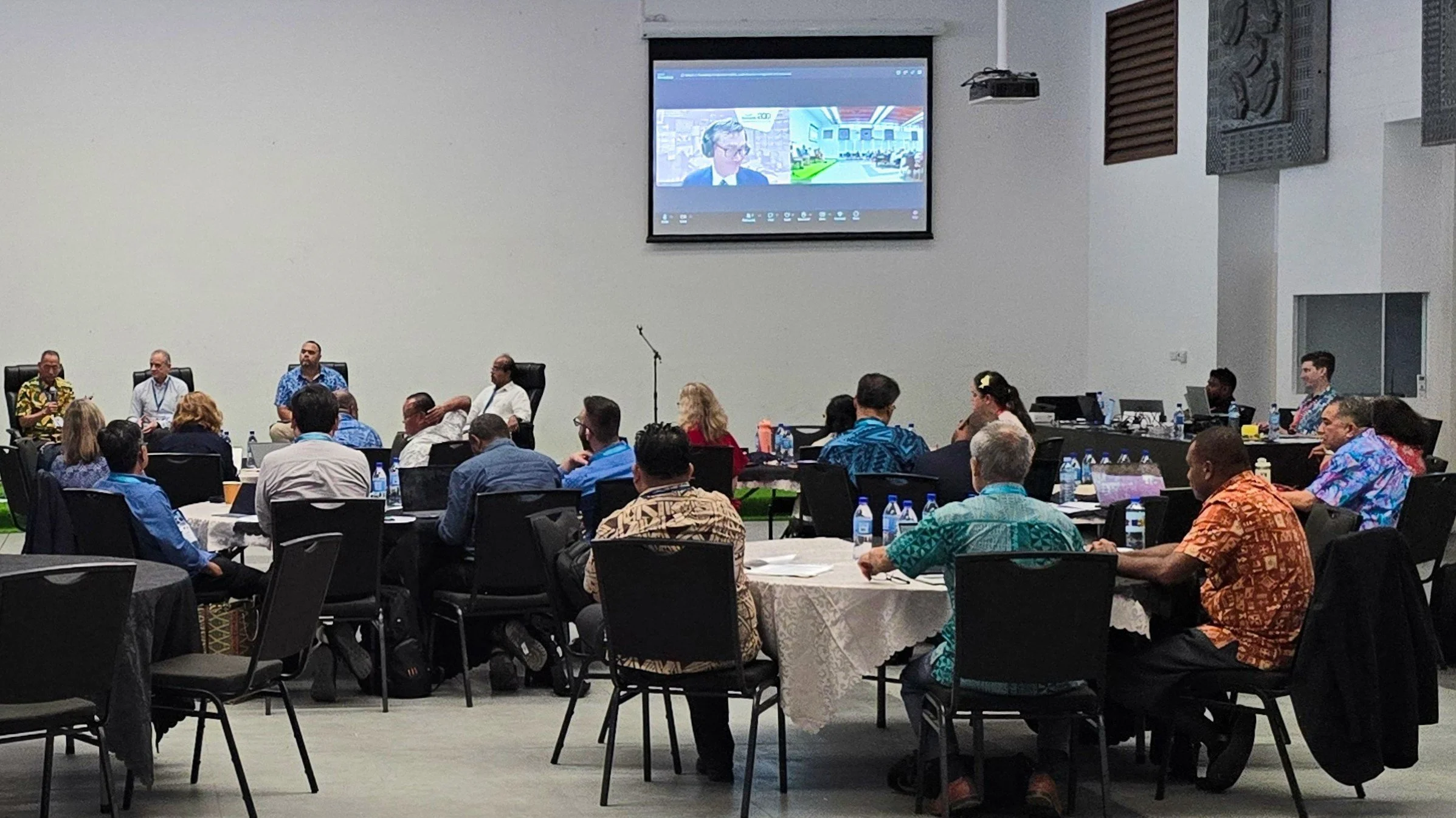
One of many panel discussions at our 27th Congress in Naoero
The deliberations at Congress were rich, varied and worthwhile, aided by the sharing of experiences and expertise by many panellists in person, online and through videos from across the Pacific region and internationally. Some key themes emerged for me from the deliberations on AI in audit:
the scope for AI to break through barriers such as language differences, enabling collaboration across the world through audit offices learning from the work of one another
the scope for AI to bring efficiency and innovation across the planning, conduct and reporting of audits by enabling, for example, more insightful analysis and more creative data visualisation in reporting
the need for good governance, controls and systems around the use of AI as part of public administration
importantly, that AI reinforces the role of audit offices by sharpening the need for transparency and accountability over its responsible and ethical use, thereby enabling citizens to have trust in how it is being used.
Those at Congress noted the enormous potential of AI to transform how SAIs deliver their mandates and that public sector agencies, including SAIs, must strategically manage the risks of using AI. They committed to lead by example as SAIs in the responsible adoption and use of AI.
Recently, I have seen a lot of doomsday commentary around AI destroying humanity. I am not the best placed to confirm or deny this. However, having lived through things like the digital revolution and the so-called ‘millennium bug’ not causing a global meltdown when 2000 came, I guess I am less concerned. I take the view that AI is a catalyst for ever greater human achievement, including in audit, if auditors seek to master the measured use of AI and enable this by others.
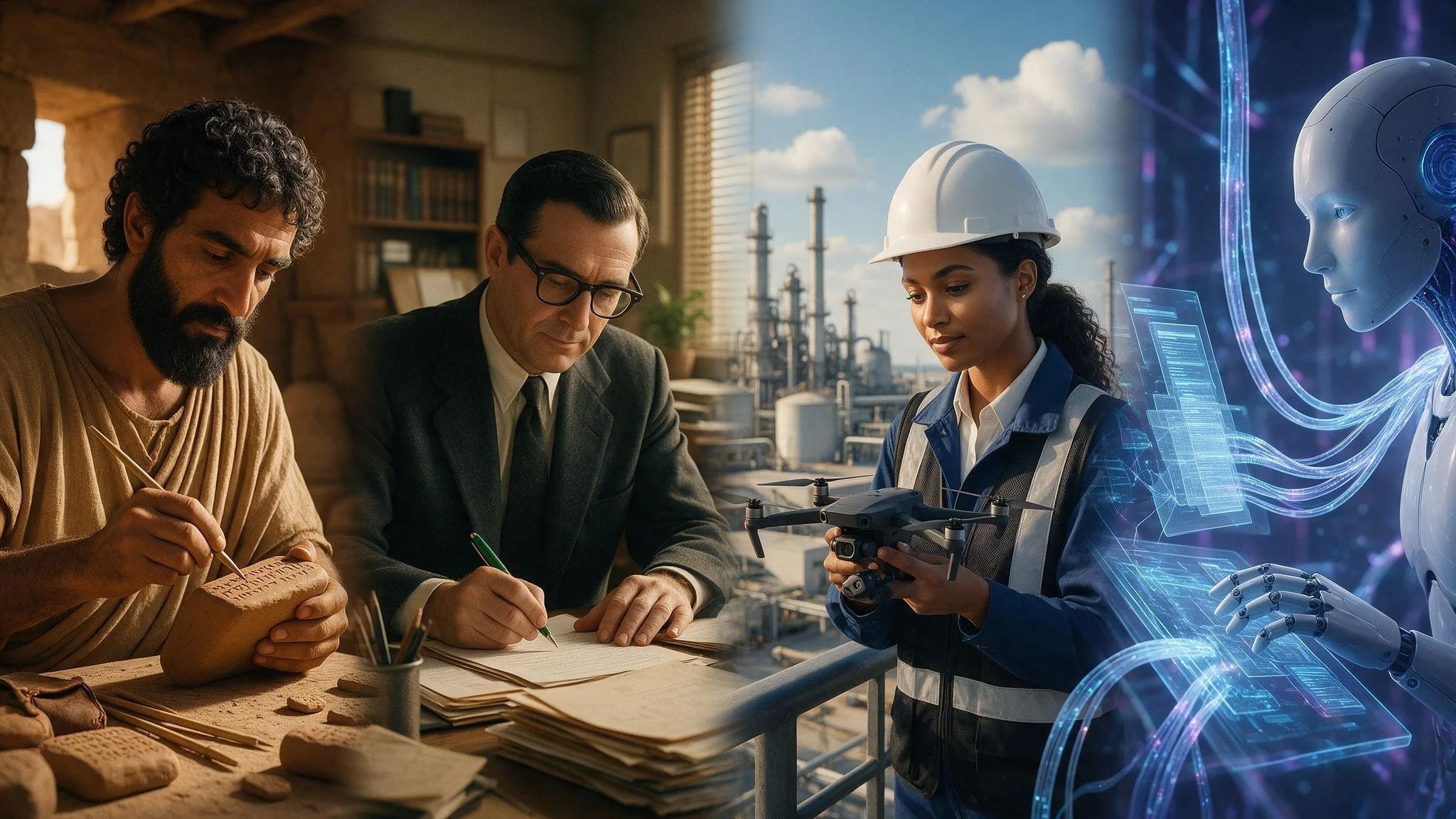
After all, look how things have changed in my audit career. We’ve gone from the era of wielding the auditor’s green pen to the era of deploying the auditor’s drone!