By Karen Wong, Program Director PASAI
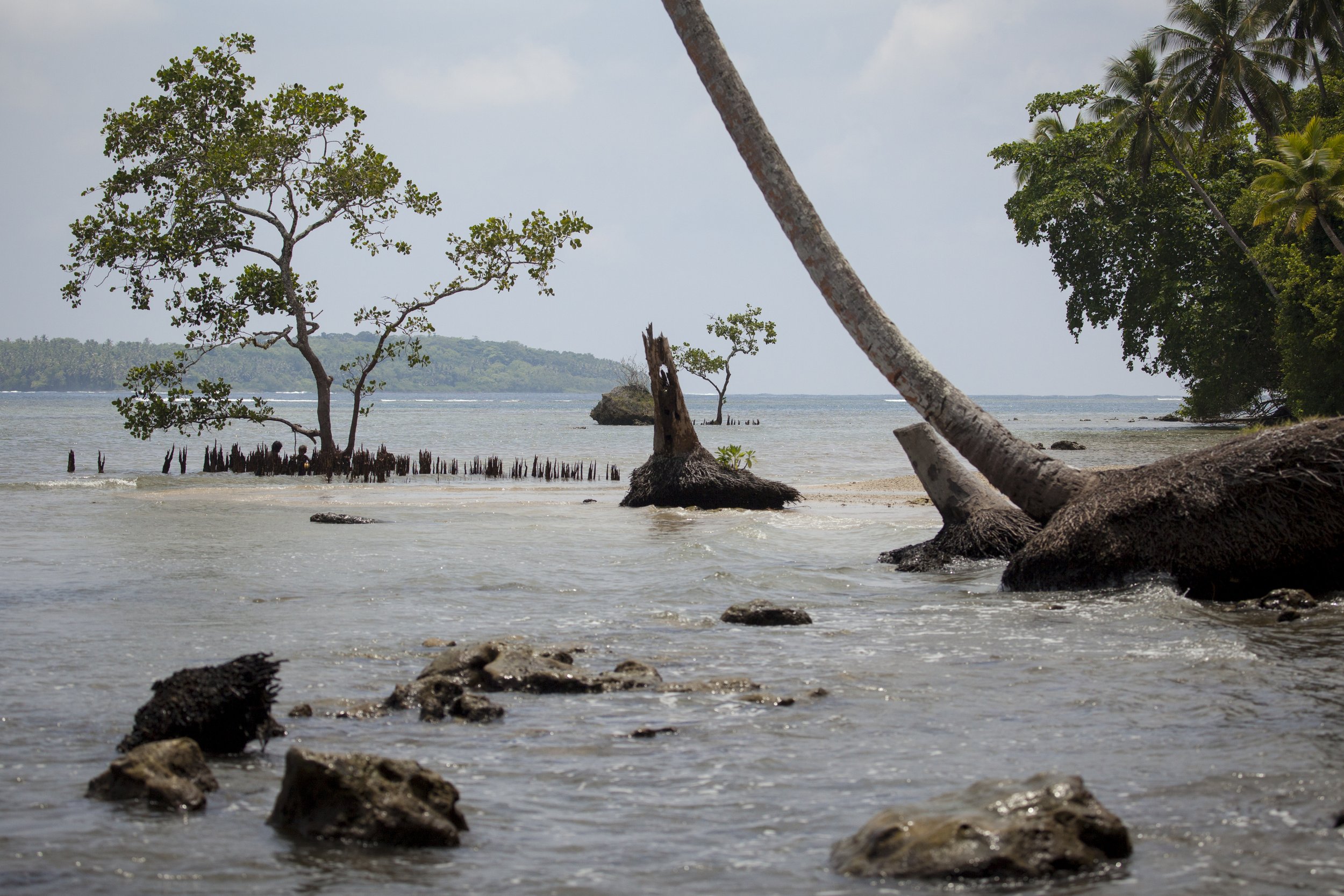
I work with audit offices across the Pacific, so I hear about and see the effects of climate change a lot. Pacific Island countries contribute very little to global emissions, but climate change touches almost every part of life there, from rising seas and stronger storms to food and water supply. The economies are small and rely on tourism and fishing, which a changing climate puts at risk. There is limited money for climate action so what there is needs to be spent well.
ClimateScanner is a tool that looks at how well-prepared governments are for climate change. Twelve Pacific countries took part in 2024 and 2025. We pulled the assessments into a Pacific regional report, launched at the recent ClimateScanner Summit 2026 in Brazil. We wrote it to make the results easier to see, show across the region how ready governments are for climate change and share good examples from around the Pacific.
The good news
The analysis shows that Pacific countries have put in place the foundations they need for climate change readiness. Many have introduced strong leadership arrangements, climate laws, national strategies and sector plans. They are also involving communities in climate decisions. While this is good, the next step is building results from the foundations.
What needs work
The assessments pointed to 3 areas where more focus is needed.
Improving climate finance systems. Countries need good finance systems to help secure funding and ensure it is directed to the right things. It also means that donors and the public can see where the money went and what the impacts of it were. This is where many Pacific countries need the most work, along with others globally.
Better monitoring information. Many countries lack the ability to monitor their climate commitments and the implementation of policies. Without reliable information, governments can't easily tell what's working or what needs to change.
People and skills are key to success. Countries need skilled staff and to be able to sustain the necessary capability and technical knowledge over time.
The work we did in 2025 pulling together the themes from the cooperative audit of 9 Pacific Island states found similar themes (published in the regional report, Adapting to climate change: Building the Pacific’s future). Notably, that report drew its conclusions from a bottom-up analysis, whereas the regional ClimateScanner report came to these views from a top-down analysis.
Audit offices can help make a difference
As a performance auditor, you often feel far away from being able to support climate action. ClimateScanner is one way audit offices can assess how well their governments are preparing for climate change and help hold them to account. This regional report highlights both the challenges each of the 12 participating Pacific jurisdictions face as well as what the region is facing as a whole.
You can read the full report, Assessing Pacific governments’ climate change readiness, at pasai.org/regional-reports. I'd be interested to hear what you think.